Fall Trout Fishing in Utah: Why October Is Scary Good for Trout
By Tiafau Purcell
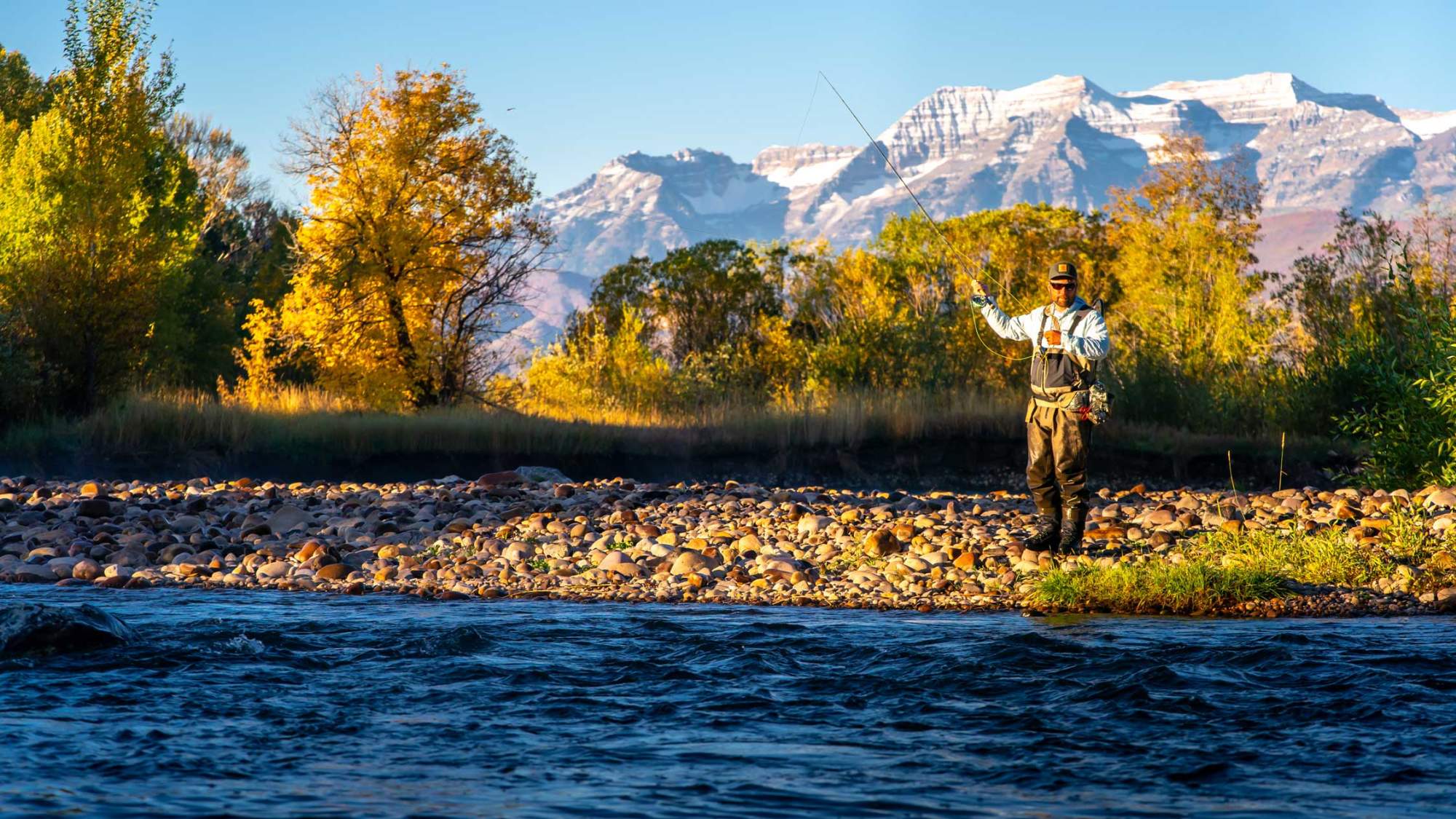
October might bring spooky nights, but there's nothing scary about how good trout fishing can be in Utah this time of year.
As summer crowds disappear and water temperatures cool, trout begin changing their feeding patterns, reservoir shorelines become more productive, and fall colors make even a familiar fishing trip feel different. Whether you're chasing brown trout in a river or casting for cutthroat from shore, October has plenty to offer. No tricks, just trout.
Why Fall Fishing Deserves More Attention
By October, Utah's fishing season looks a lot different than it did in July. The mornings are colder, daylight is getting shorter, and many of the families and vacationers who spent the summer around Utah's reservoirs have packed away their fishing gear. High in the mountains, aspens are turning yellow, and the first snowstorms may already be moving through the upper elevations.
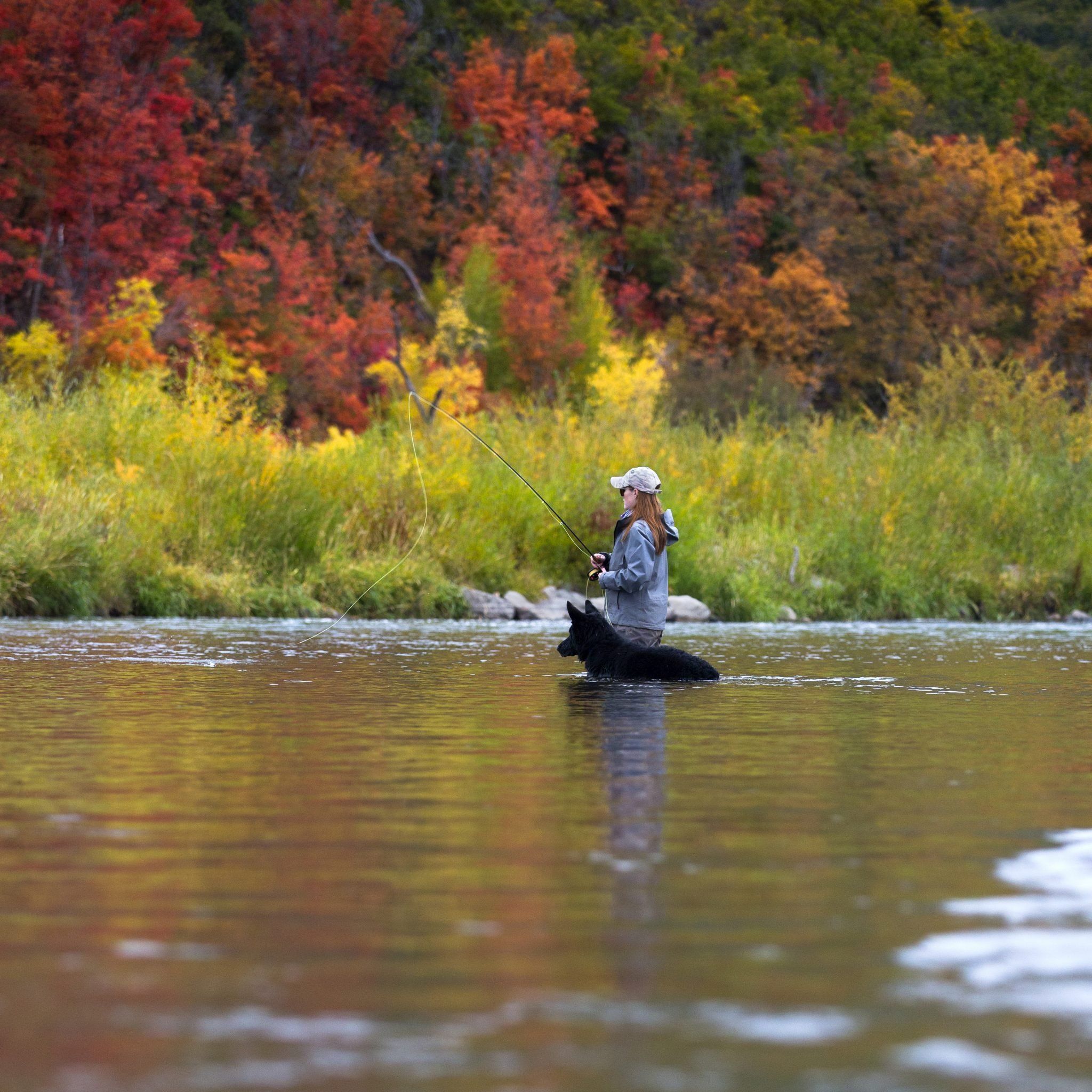
For anglers who keep fishing, there's plenty to look forward to. Fall can be an excellent time to target trout throughout Utah, particularly in reservoirs and rivers where summer conditions made fishing more challenging. Cooling water changes where fish spend their time, while seasonal feeding and spawning behavior can create opportunities that weren't there a few weeks earlier.
And while October might be known for ghosts, haunted houses and things that go bump in the night, some of the best surprises this month are waiting beneath the water's surface. You don't necessarily need a new fishing destination or an entirely different collection of gear. Sometimes you just need to approach familiar water a little differently.
Cooler Water Changes Everything
Trout are coldwater fish, and water temperature has a major influence on their behavior. During the hottest parts of summer, trout in lakes and reservoirs often move into deeper, cooler water. In rivers, they may concentrate around areas with favorable temperatures, oxygen and current.
As fall arrives and surface temperatures begin dropping, those patterns can change. Trout may become more comfortable moving through shallower water, cruising shorelines and feeding in areas they avoided during the summer. In some reservoirs, the seasonal mixing of water layers also changes how temperature and oxygen are distributed throughout the lake. That doesn't mean every trout suddenly moves into two feet of water. Depth, food availability, weather and the characteristics of each fishery still matter. But fall often gives shore anglers access to fish that spent much of the summer farther from the bank.
The Utah Division of Wildlife Resources regularly identifies fall as a productive season at several of the state's trout reservoirs, including Strawberry, where cooling temperatures can improve fishing for cutthroat and rainbow trout. For anglers who don't own a boat, that's particularly good news.
Shore Fishing Gets Another Chance
One of the biggest advantages of fall fishing is that you can often reach trout from shore without having to cast into the deepest part of a reservoir. Start by looking for rocky points, steeper shorelines, shallow shelves near deeper water and areas where wind may be pushing food toward the bank. These features give trout opportunities to feed while staying close to deeper water when they need it.
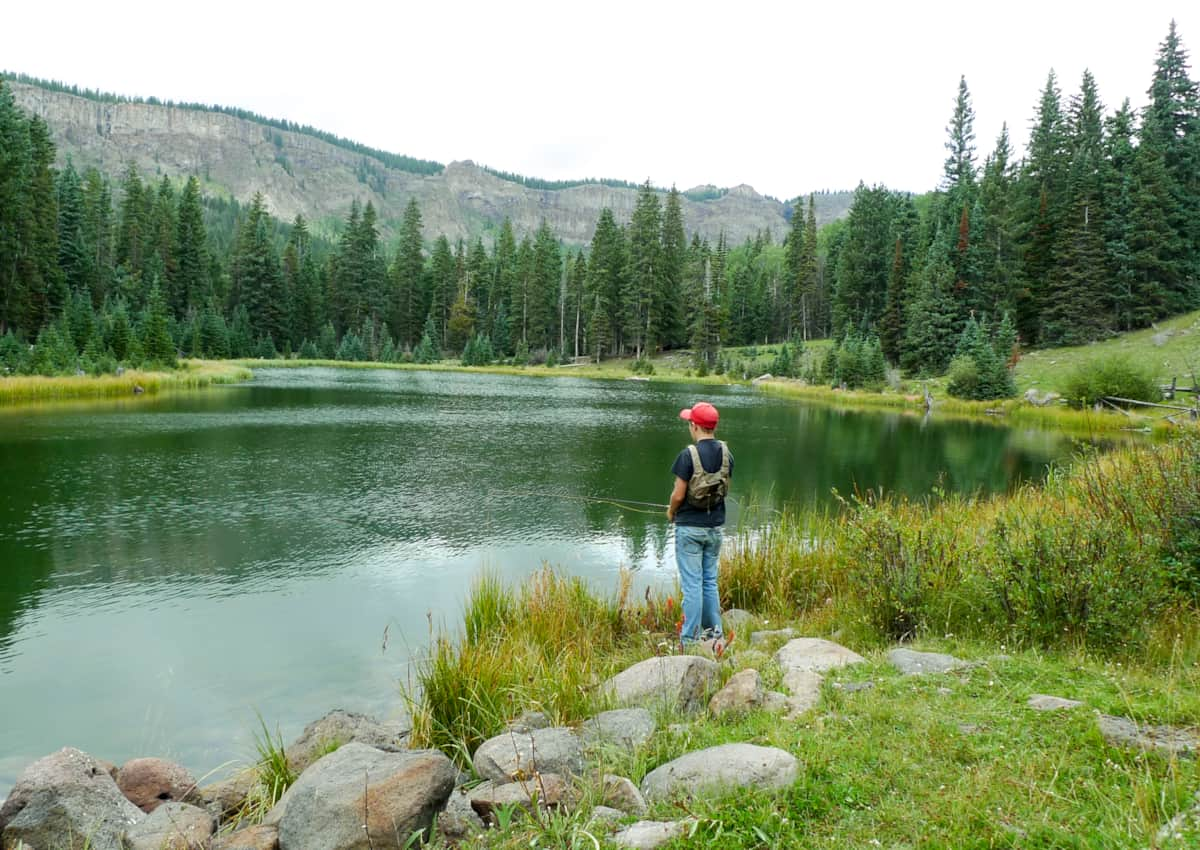
At Strawberry Reservoir, for example, fall fishing can be productive along shorelines as cutthroat and rainbow trout become more active in cooler water. Other reservoirs, including Lost Creek, can offer good opportunities for anglers using jigs, spoons, crankbaits and flies in shallow to moderate depths. Don't assume the first accessible shoreline is automatically the best place to fish. Spend some time watching the water and looking for signs of activity. If you see baitfish, surface rises or trout cruising along a drop-off, those are useful clues.
And if you aren't getting bites, consider changing your depth or moving to another stretch of shoreline before changing every lure in your tackle box.
Fall River Fishing: Pay Attention to the Current
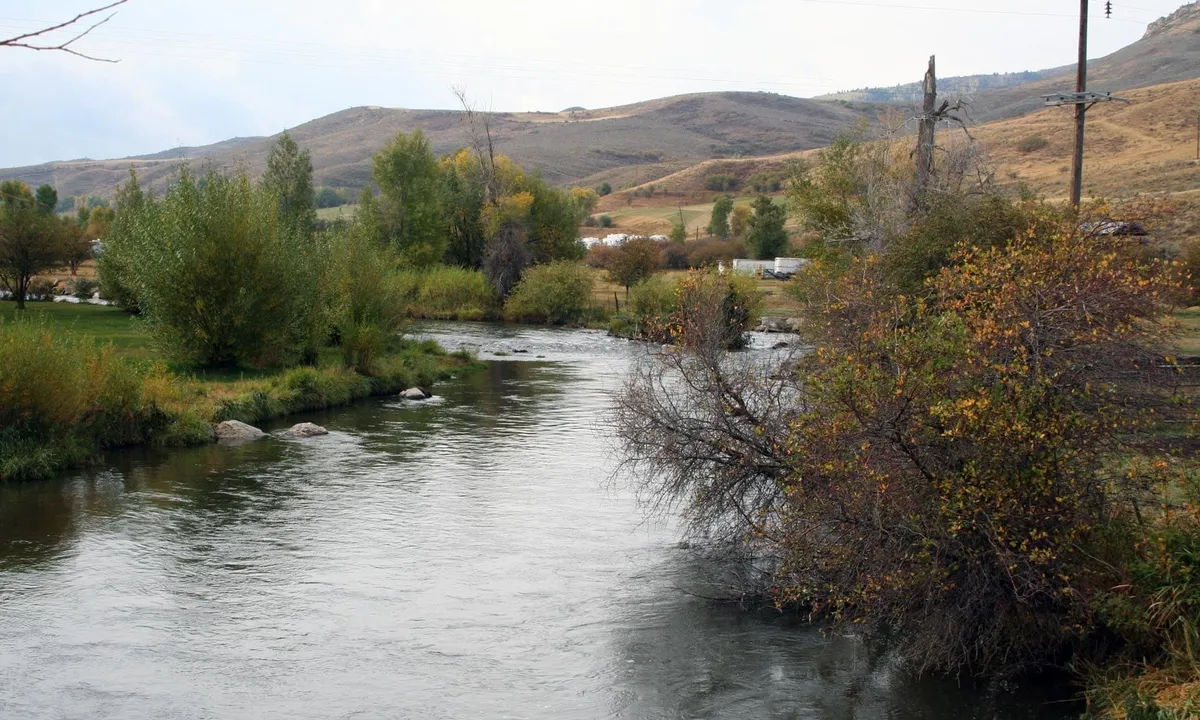
Rivers can also fish well in October, although the approach is a little different from fishing a reservoir. As water temperatures cool, trout may change their feeding activity and where they hold. Insects are still available, but the timing and variety of hatches can be different from summer. Fish may concentrate around deeper runs, current seams, undercut banks and other places where they can find food without spending unnecessary energy.
On rivers like the Provo and Weber, it's worth slowing down and reading the water before making your first cast. Look for transitions between fast and slow current. A deeper run below a riffle can provide both food and protection. A seam alongside a boulder may allow trout to hold in relatively calm water while drifting insects pass nearby.
Don't overlook quieter water, either. As temperatures fall, trout may become less willing to sit in the strongest current, particularly during colder periods. If you aren't finding fish in the same places you fished during summer, adjust your approach rather than assuming the river isn't fishing well.
Brown Trout and the Fall Spawn
For many Utah anglers, October also means brown trout.
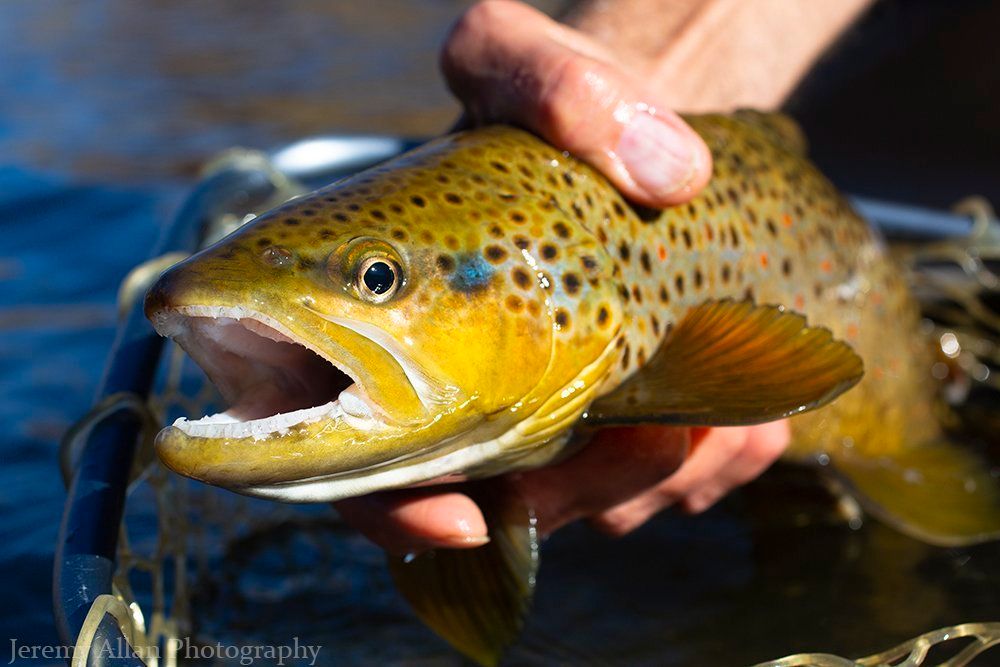
Unlike rainbow trout, which generally spawn in spring, brown trout reproduce in fall. As spawning season approaches, mature browns may become more active, territorial and willing to chase larger presentations. That's one reason streamers and minnow-imitating lures can be effective during this time of year. A larger brown trout may strike a baitfish imitation out of feeding interest, territorial behavior or a combination of both.
But fall fishing also brings an important responsibility. Spawning trout create nests in stream gravel called redds. These areas may appear as lighter, freshly disturbed patches of gravel, often in relatively shallow water with suitable current.
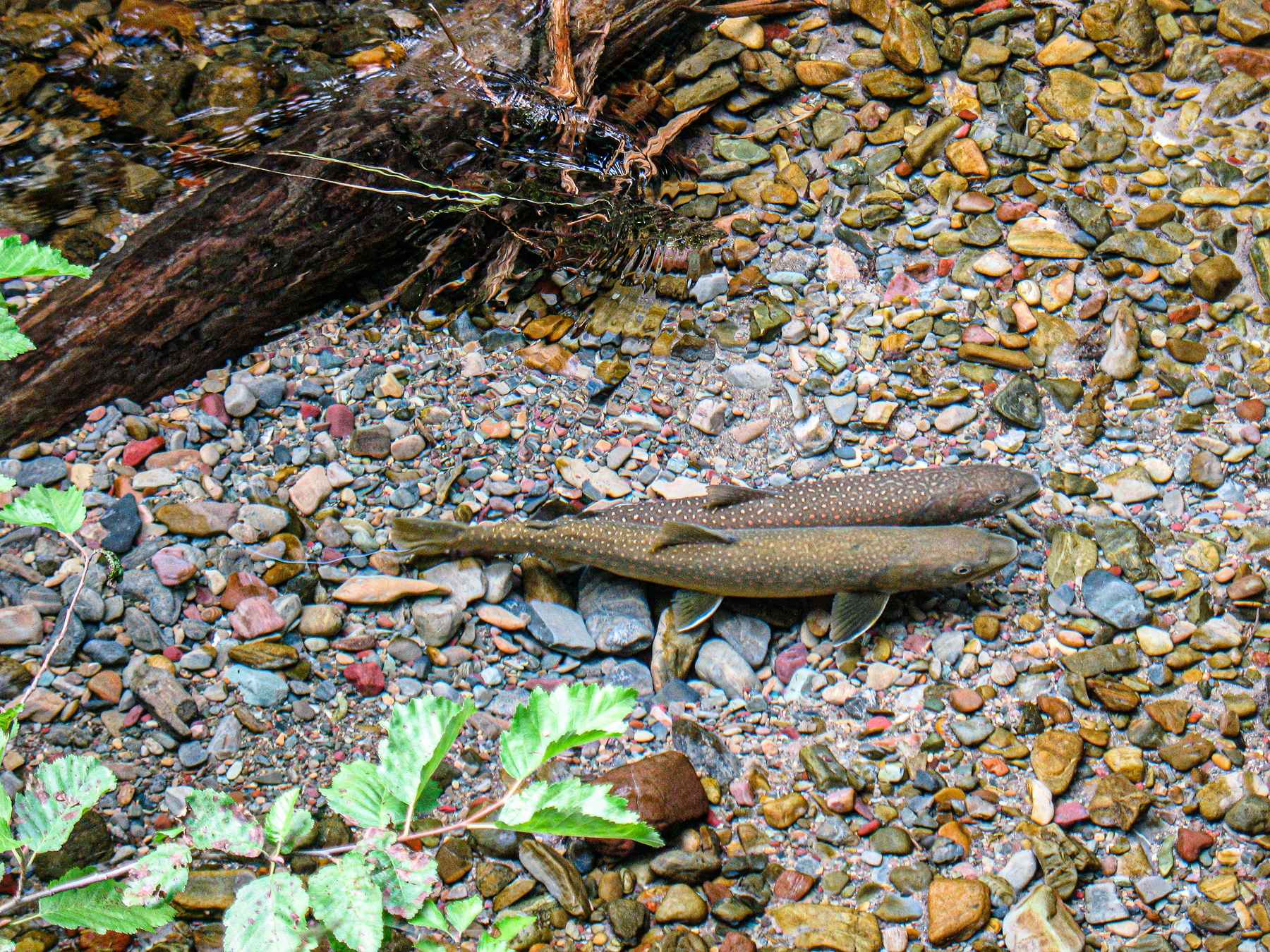
Avoid walking through redds or disturbing fish that are actively spawning. Wading across a spawning area can damage eggs buried beneath the gravel, even when the fish themselves are no longer visible.
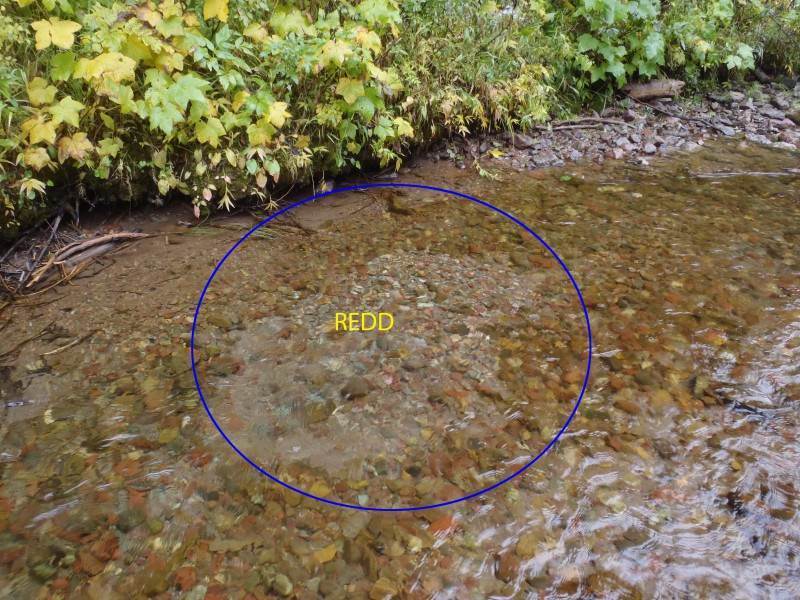
There are plenty of opportunities to fish rivers during fall without deliberately targeting trout on their spawning beds. If you're unsure whether a section of gravel contains redds, give it some space and choose another place to wade.
What Flies Work in October?
Fall fly fishing doesn't require a completely different fly box, but a few adjustments can help.
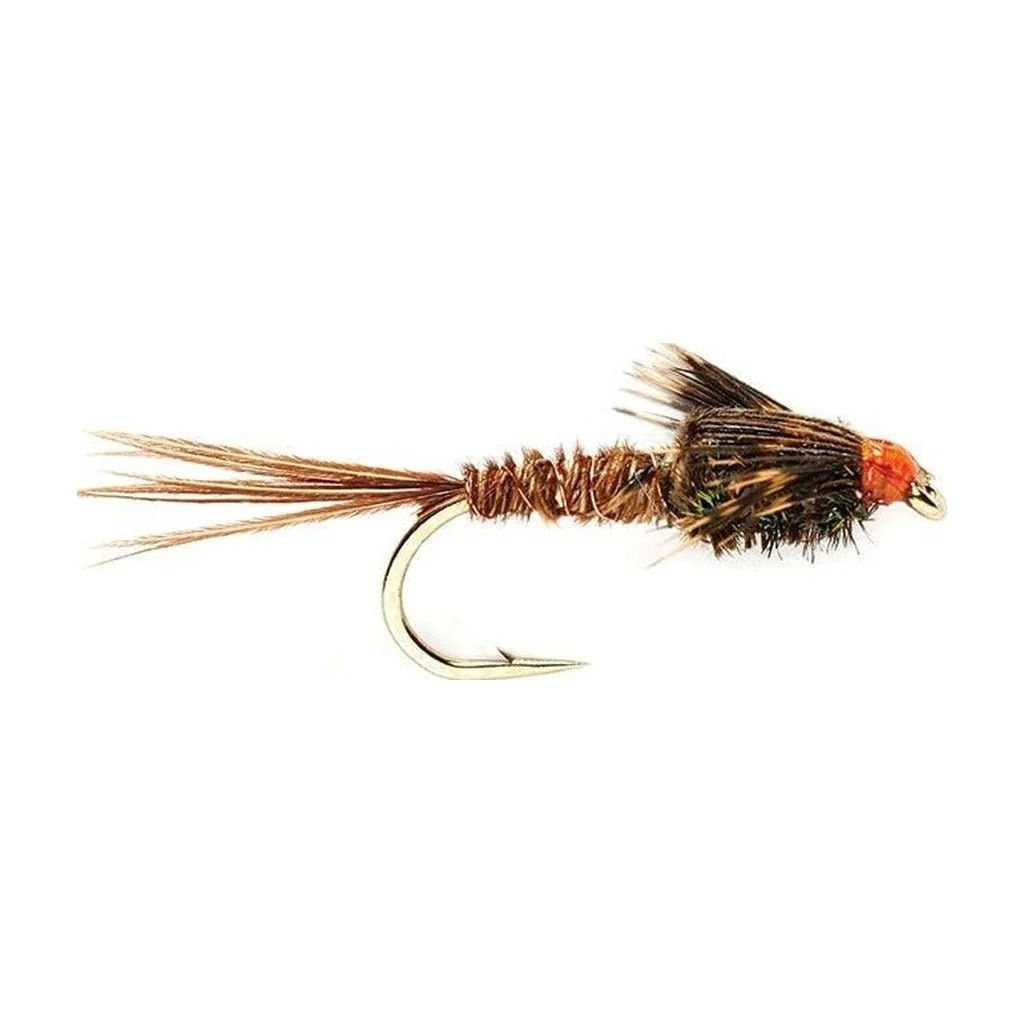
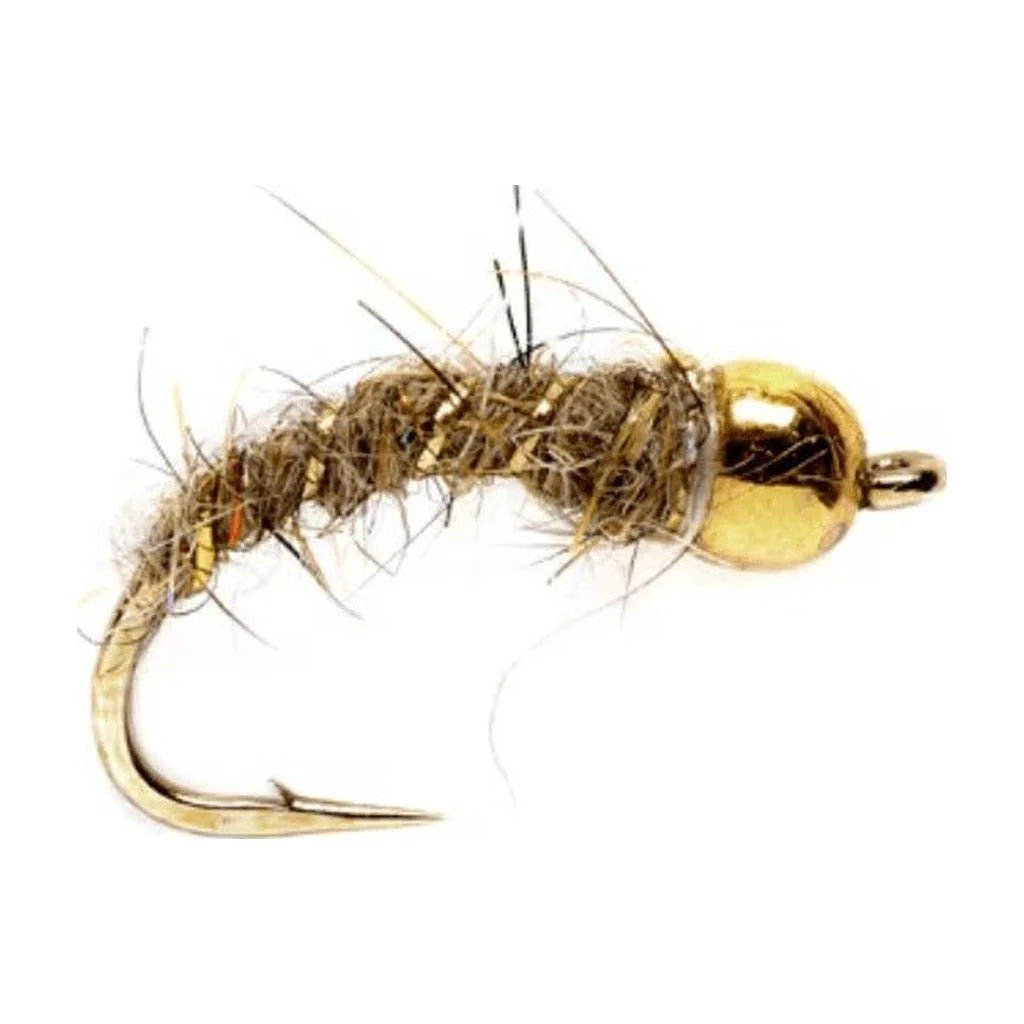
Nymphs remain productive in rivers throughout the season. Pheasant tails, hare's ears, small mayfly imitations and midge patterns can all be useful depending on the water. As insect activity changes, paying attention to the size of natural insects can be more important than carrying dozens of patterns.
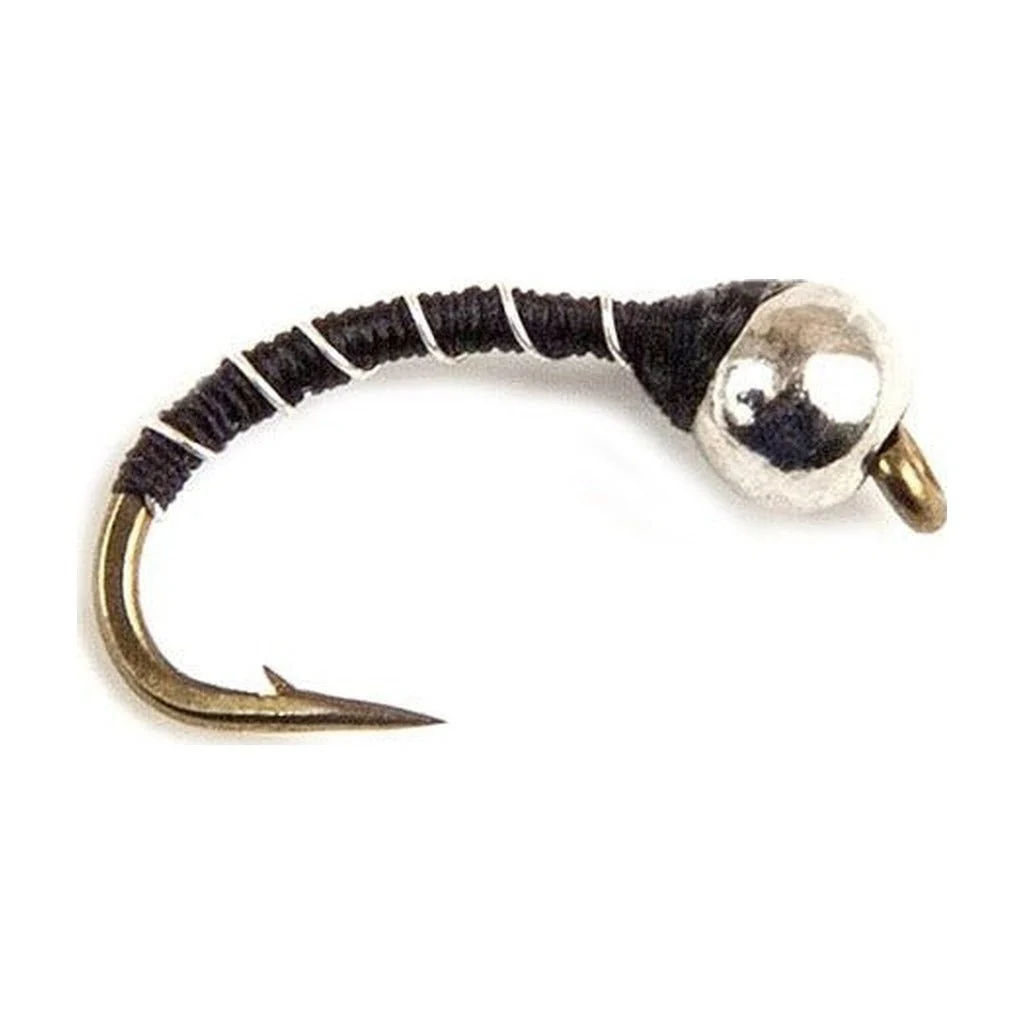
Streamers become particularly interesting in fall. Woolly Buggers, leech patterns and small baitfish imitations can draw strikes from trout willing to chase a larger meal. Try varying the retrieve and fishing different depths until you find what produces a response.


Dry flies shouldn't be forgotten. Blue-winged olive mayflies can provide good opportunities on some Utah rivers during cool, cloudy fall weather, while midges may bring trout to the surface when other insects are scarce.
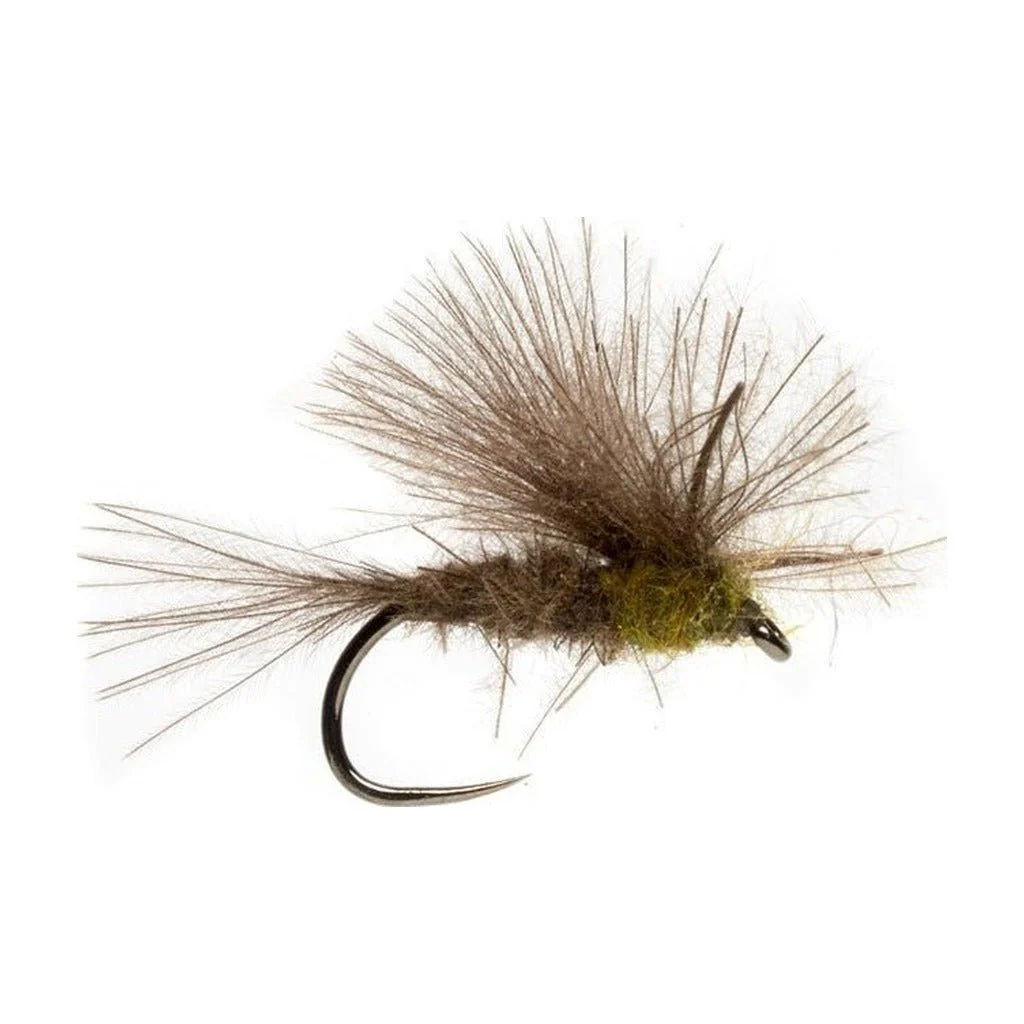
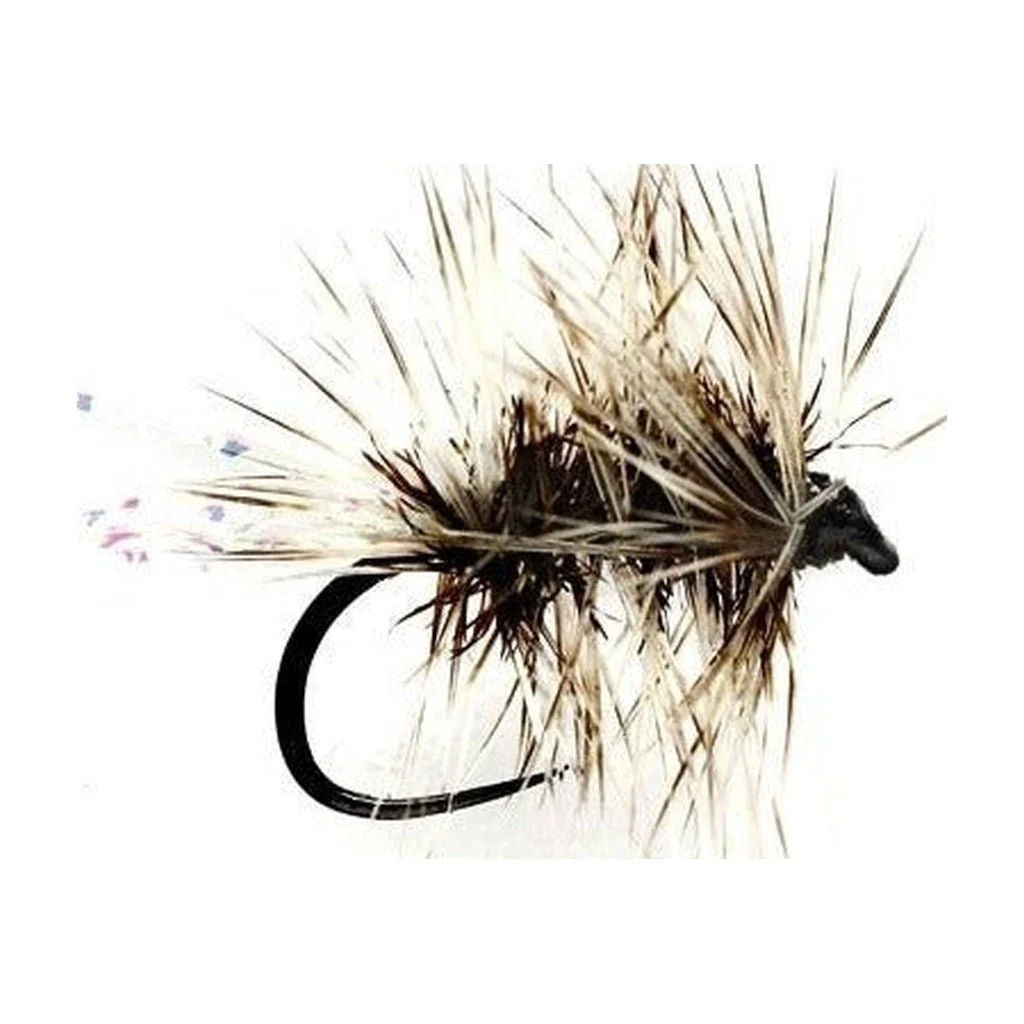
On lakes and reservoirs, leech patterns, small streamers and other subsurface flies can be effective when retrieved through the depths where trout are cruising.
Rather than choosing a fly based only on the calendar, look at what's happening on the water. Rising fish, visible insects, baitfish activity and the depth where you're getting strikes will tell you more than the month alone.
Spin Fishing in the Fall
Spin anglers have plenty of options in October as well. Small spoons and inline spinners are useful for covering water, especially along reservoir shorelines. Their flash and movement can attract trout from a distance, and changing retrieve speed allows you to experiment with how aggressively fish want to chase.
Minnow-style crankbaits and soft-plastic jigs can be effective when targeting larger trout or working around rocky points and drop-offs. On rivers, smaller presentations can be worked through deeper runs and along current breaks.
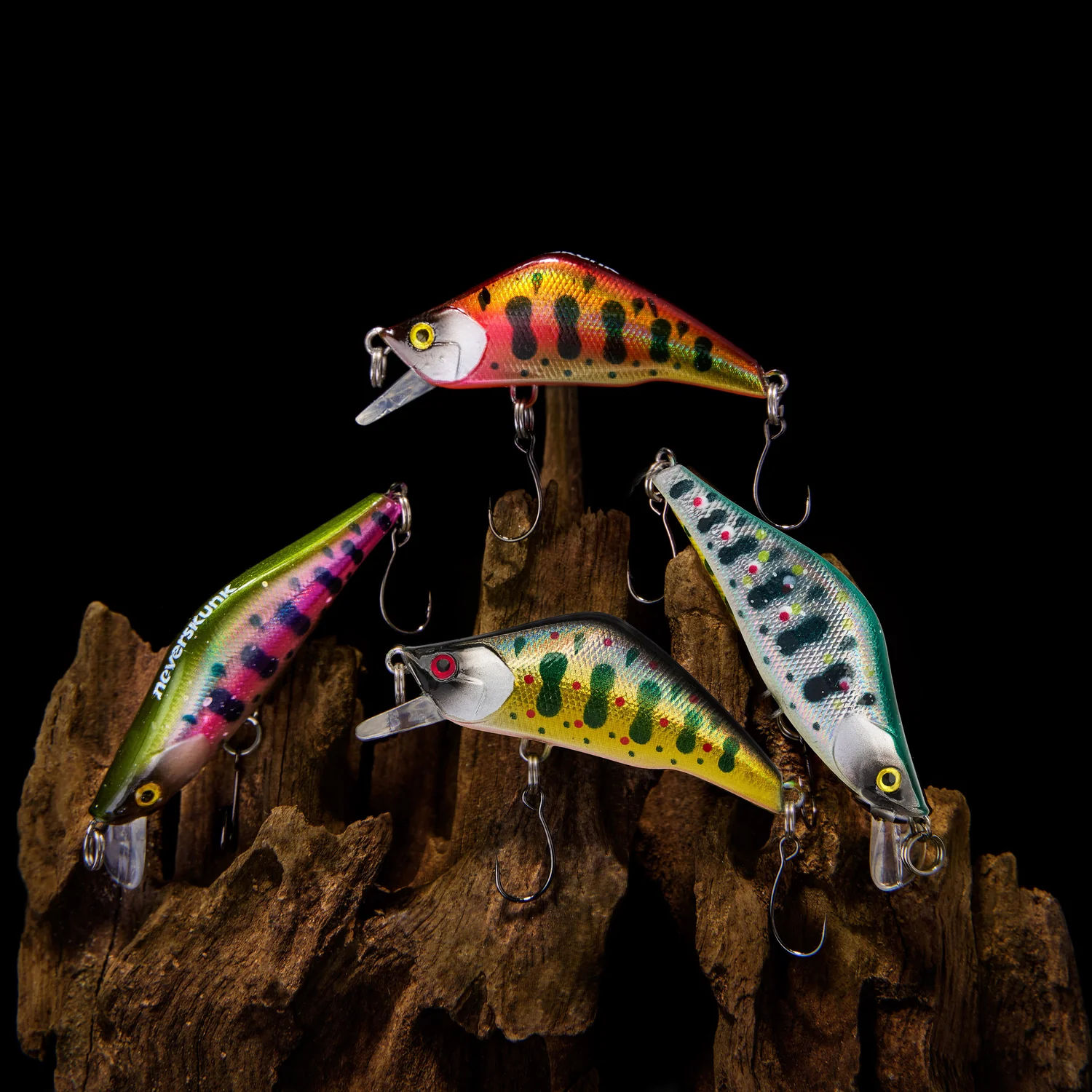
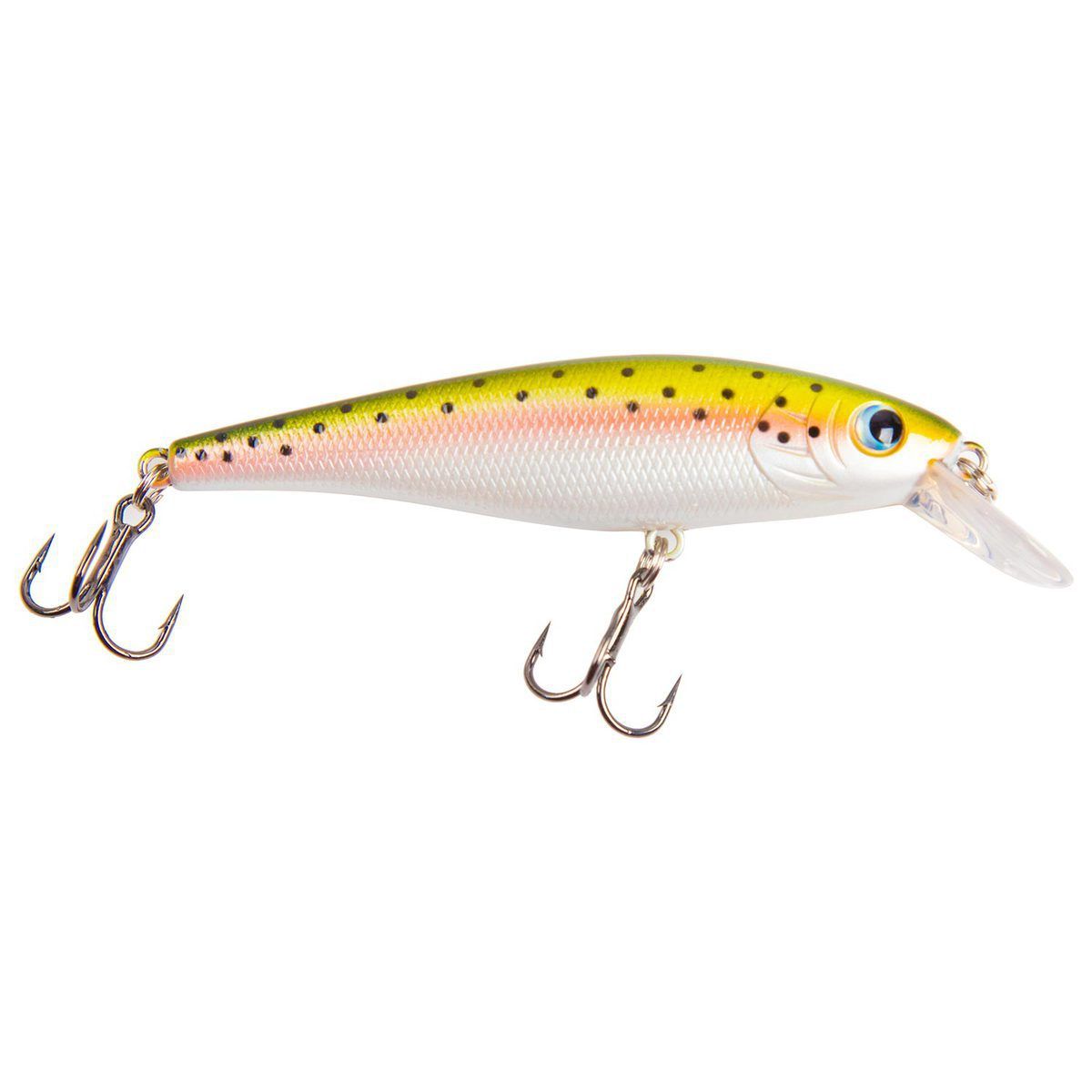
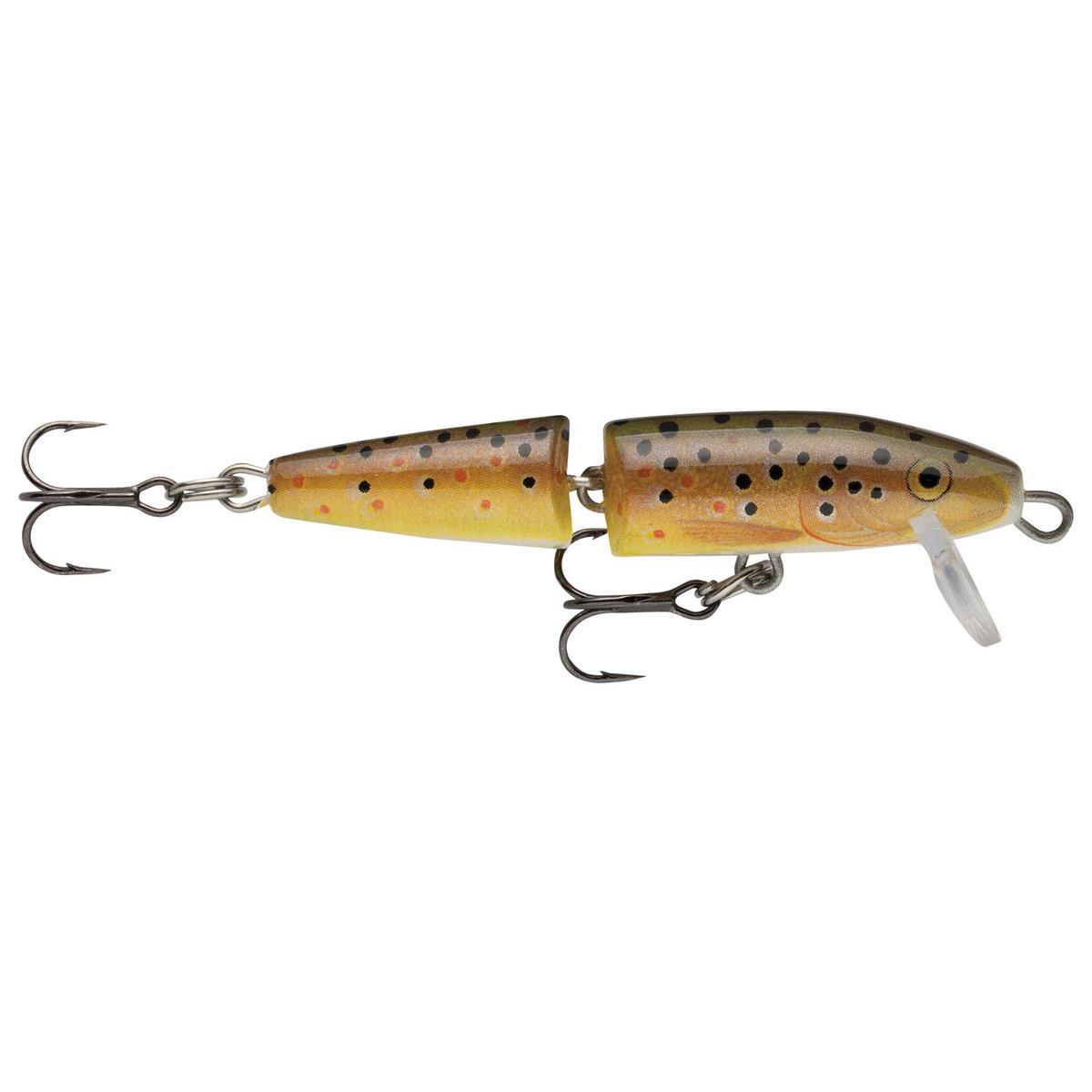
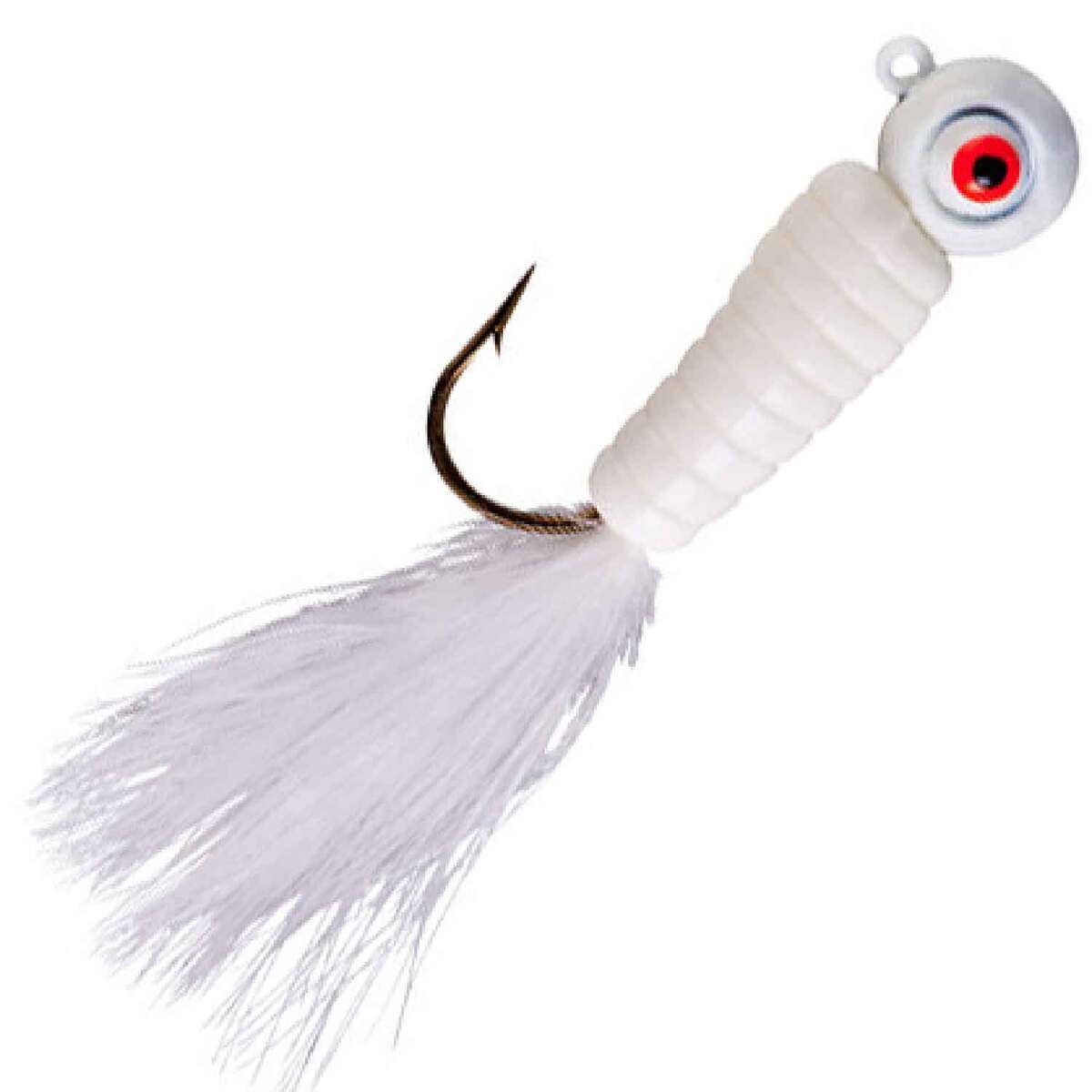
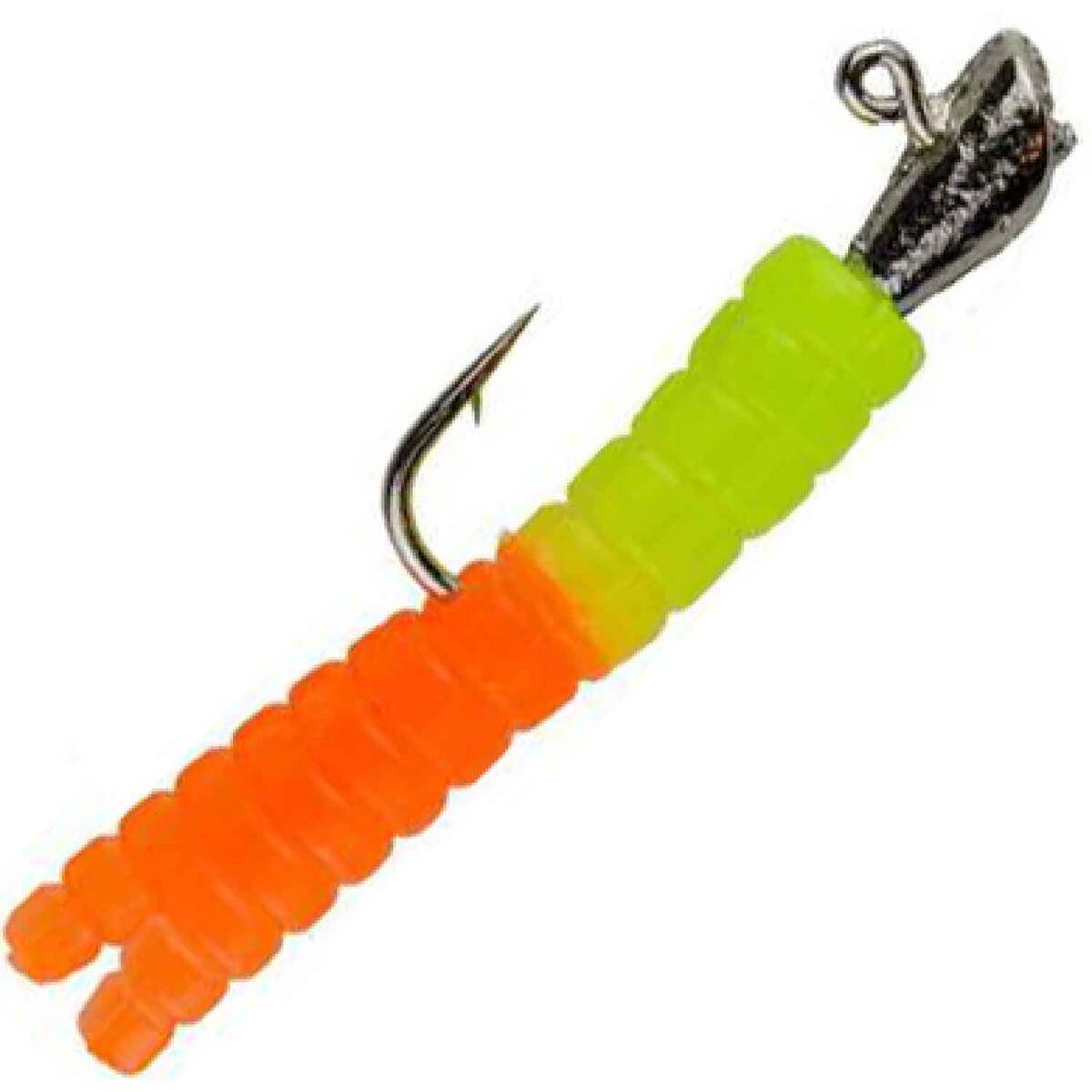

If you're fishing a reservoir and trout aren't responding to a fast retrieve, slow things down. Cooler water doesn't always mean fish want a lure moving quickly. Bait fishing can also be productive where regulations allow it. Worms and trout dough baits are common choices for rainbow trout, particularly in stocked reservoirs and community fisheries.
Always check the regulations for the specific water before choosing bait or tackle. Some Utah fisheries have restrictions on bait, hooks, harvest or particular species.
Don't Overlook Community Ponds
Not every good October fishing trip requires a long drive into the mountains. Many of Utah's community fisheries receive trout during the cooler months after summer water temperatures become more suitable. Depending on the water and stocking schedule, fall can provide some of the better opportunities of the year to catch rainbow trout close to home.
These ponds are especially useful for families, beginners or anyone who wants to spend a couple of hours fishing without making an entire day of it. A simple spinning setup, a few small lures or a bait-and-bobber rig where permitted may be all you need.
Before heading out, check the latest Utah DWR stocking information and any seasonal park closures. Stocking dates and access can vary from one community fishery to another.
Where to Fish in Utah This Fall
Utah has plenty of options in October, but the right destination depends on the experience you're looking for.
Strawberry Reservoir is worth considering for anglers targeting cutthroat and rainbow trout. Cooling water can improve shoreline opportunities, and the reservoir offers enough variety to fish from shore, boat or float tube.
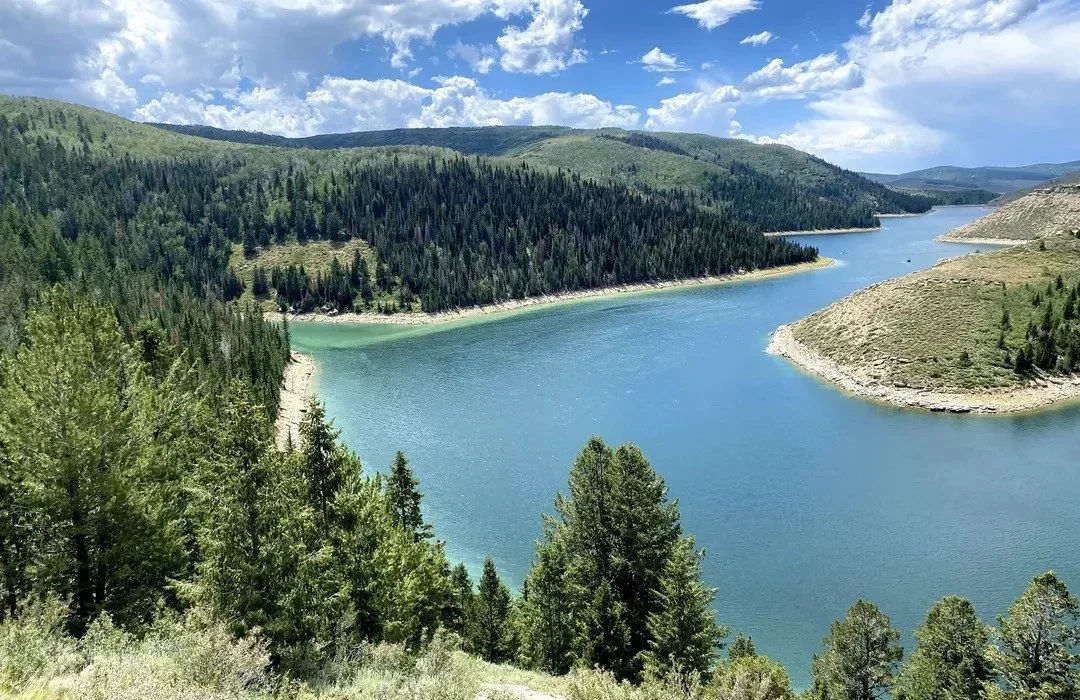
Lost Creek Reservoir can be another option for fall trout fishing, particularly for anglers interested in cutthroat, rainbow trout and other stocked species.
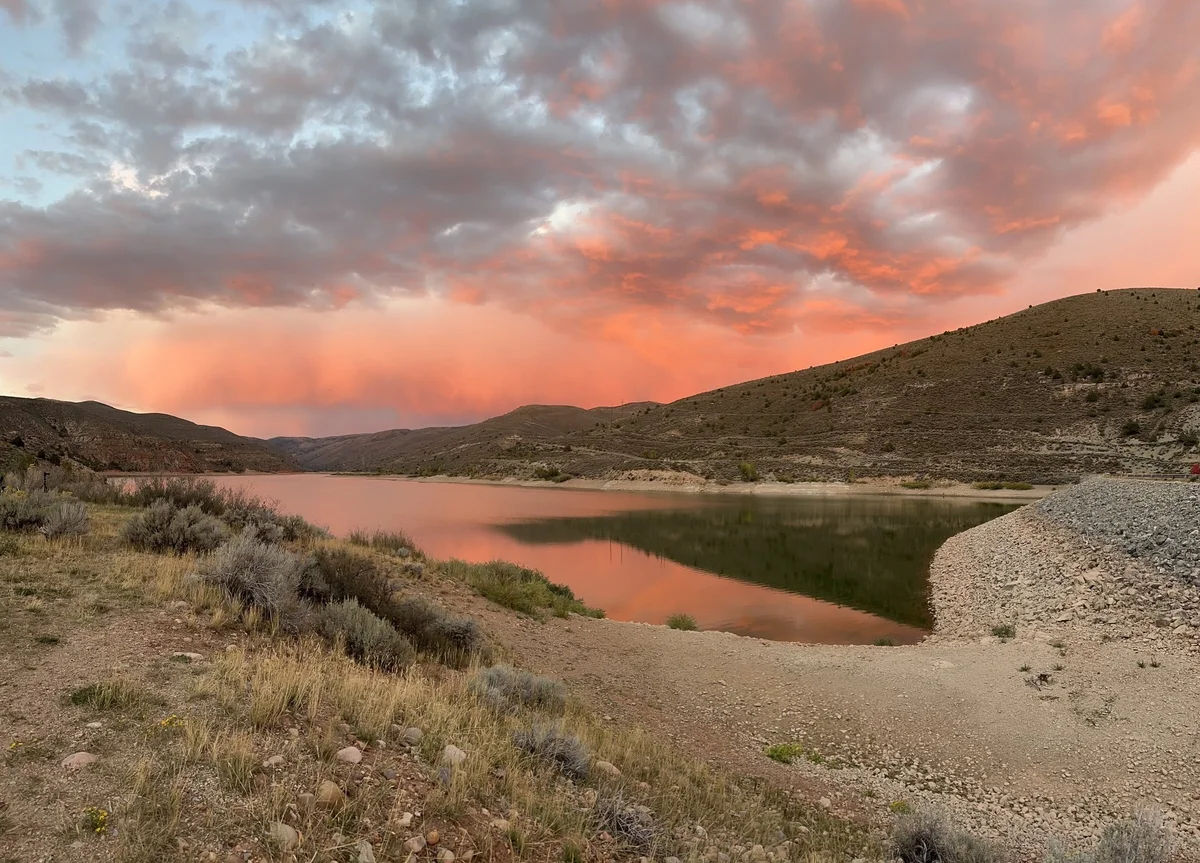
The Provo and Weber rivers offer moving-water opportunities where reading current, adjusting fly selection and understanding brown trout spawning behavior become especially important.
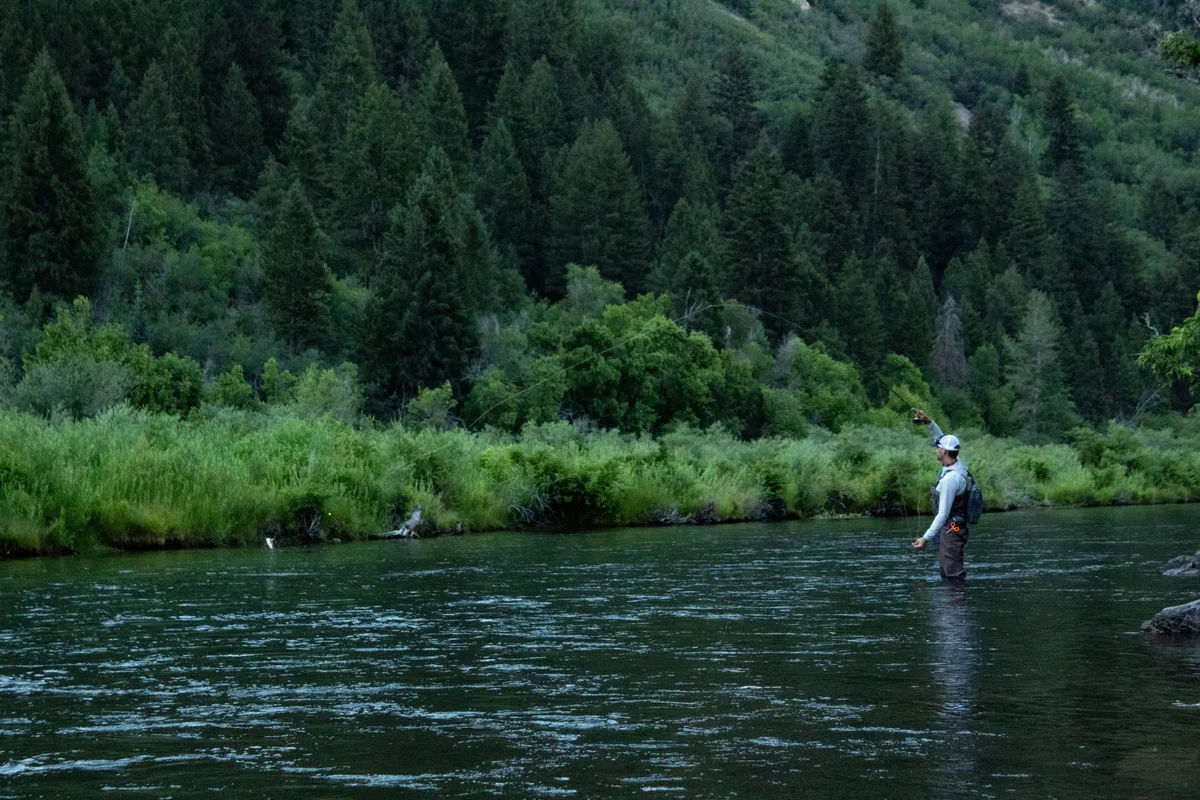
Community fisheries throughout Utah can provide accessible rainbow trout fishing as fall stocking resumes. And for anglers who still want to explore the mountains, some Uinta lakes and reservoirs can remain productive into fall, provided roads, trails and weather conditions allow safe access.
Use FishRec to explore the waters and species that interest you, then check current DWR information and access conditions before making the trip. October can bring excellent fishing, but it can also bring sudden changes in weather, road conditions and water levels.
A Few Things to Remember Before Heading Out
Fall weather in Utah can change quickly, especially at higher elevations. A pleasant afternoon can turn into a cold, windy evening, and mountain roads that were easy to drive in September may become muddy, snowy or inaccessible after an early storm. Bring layers, rain protection and enough daylight to get back safely. If you're fishing from a boat or float tube, take cold-water conditions seriously and wear an appropriate personal flotation device.
It's also worth checking the latest Utah Fishing Guidebook before your trip. Some waters have special regulations, and seasonal closures may apply to particular species. Kokanee salmon are an important example: Utah prohibits possessing kokanee statewide from September 10 through November 30, protecting the fish during their spawning season. Even if you're primarily targeting trout, it's useful to know the rules for other species sharing the water.
Make the Most of the Season
October doesn't always get the same attention as summer fishing, but it has plenty to offer. You can fish a familiar reservoir from shore and find trout cruising areas that seemed empty in August. You can spend a cool morning working through a river's deeper runs or visit a community pond after fall stocking begins. And if you're willing to watch the weather, there may still be time for another mountain fishing trip before winter settles in.
The important thing is understanding that fall changes the fishery. Pay attention to water temperature, fish behavior, available food and the places trout are likely to hold. FishRec can help you explore the options and learn more about the waters you're considering, but there's still no substitute for getting out and seeing what's happening for yourself.
So while everyone else is getting ready for ghosts, goblins and things that go bump in the night, grab your fishing gear and head for the water. You never know what kind of monster trout might be lurking beneath the surface.
This October, the only thing scarier than a haunted house might be the fish that gets away.