Meet the Bonneville Cutthroat: Utah's Native Treasure
By Tiafau Purcell
Long before Utah had highways, reservoirs, or even towns, the Bonneville Cutthroat Trout was already here. Descended from trout that once swam in the ancient waters of Lake Bonneville, this remarkable fish has survived thousands of years of change. Today, catching one isn't just another fishing trip—it's an opportunity to connect with a living piece of Utah's natural history.
Every fish has a story. Some were introduced to create new fishing opportunities. Others arrived by accident. But the Bonneville Cutthroat Trout (BCT) belongs here.
Long before the Great Salt Lake existed, an enormous inland sea known as Lake Bonneville covered much of western Utah. As that ancient lake gradually disappeared thousands of years ago, isolated populations of cutthroat trout remained in the rivers, streams, and lakes connected to the Bonneville Basin. Over time, they became what we know today as the Bonneville Cutthroat Trout.
It's more than Utah's state fish. It's part of Utah's story.
A Fish That Nearly Disappeared
By the late 1800s and early 1900s, the Bonneville Cutthroat faced enormous challenges.
Habitat changes, overharvest, and the introduction of non-native trout—including rainbow, brown, and brook trout—caused native populations to decline dramatically. By the 1970s, many believed pure Bonneville Cutthroat populations had disappeared altogether. Fortunately, small remnant populations were rediscovered, beginning decades of conservation and restoration work that continues today.
Today, thanks to partnerships between biologists, conservation organizations, and anglers, the species has made an encouraging comeback in many waters across Utah.
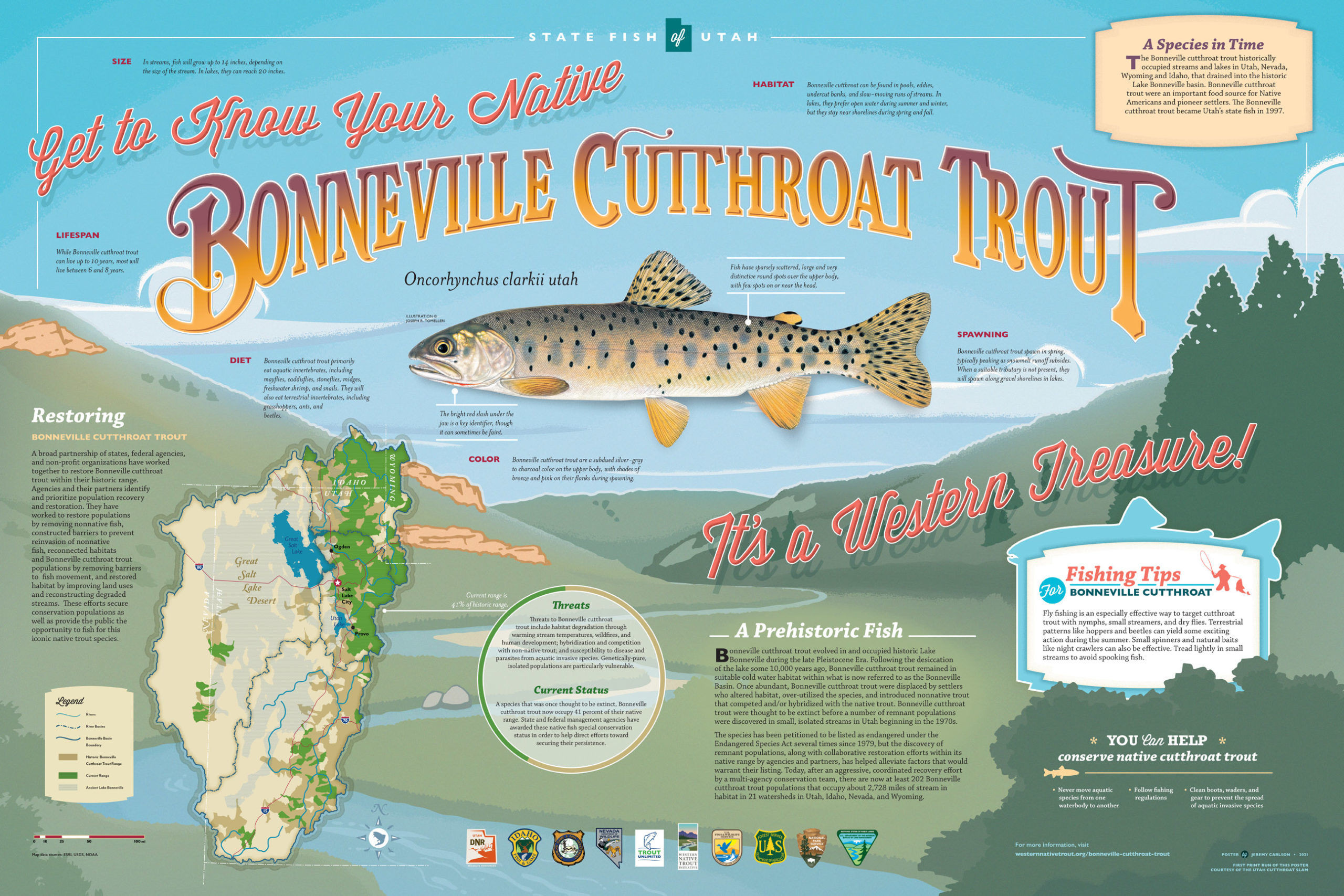
How to Identify One
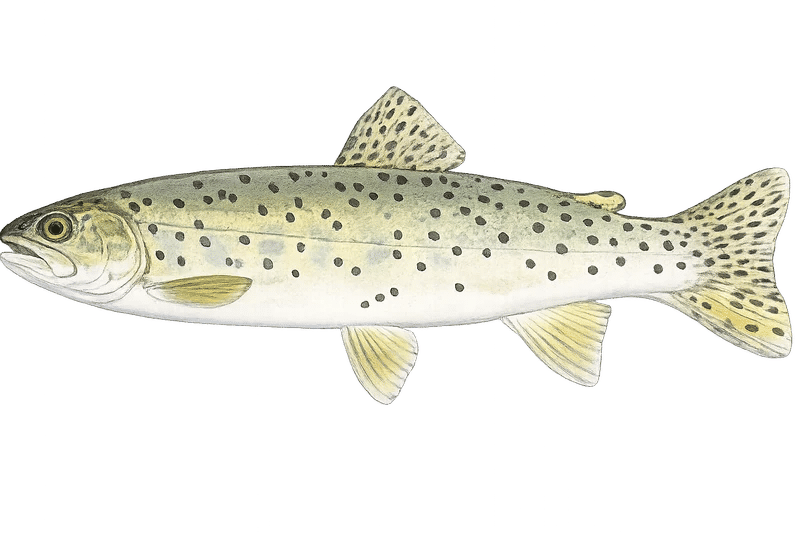
Bonneville Cutthroat Trout are beautiful fish, but they're often more subtle than people expect.
Look for:
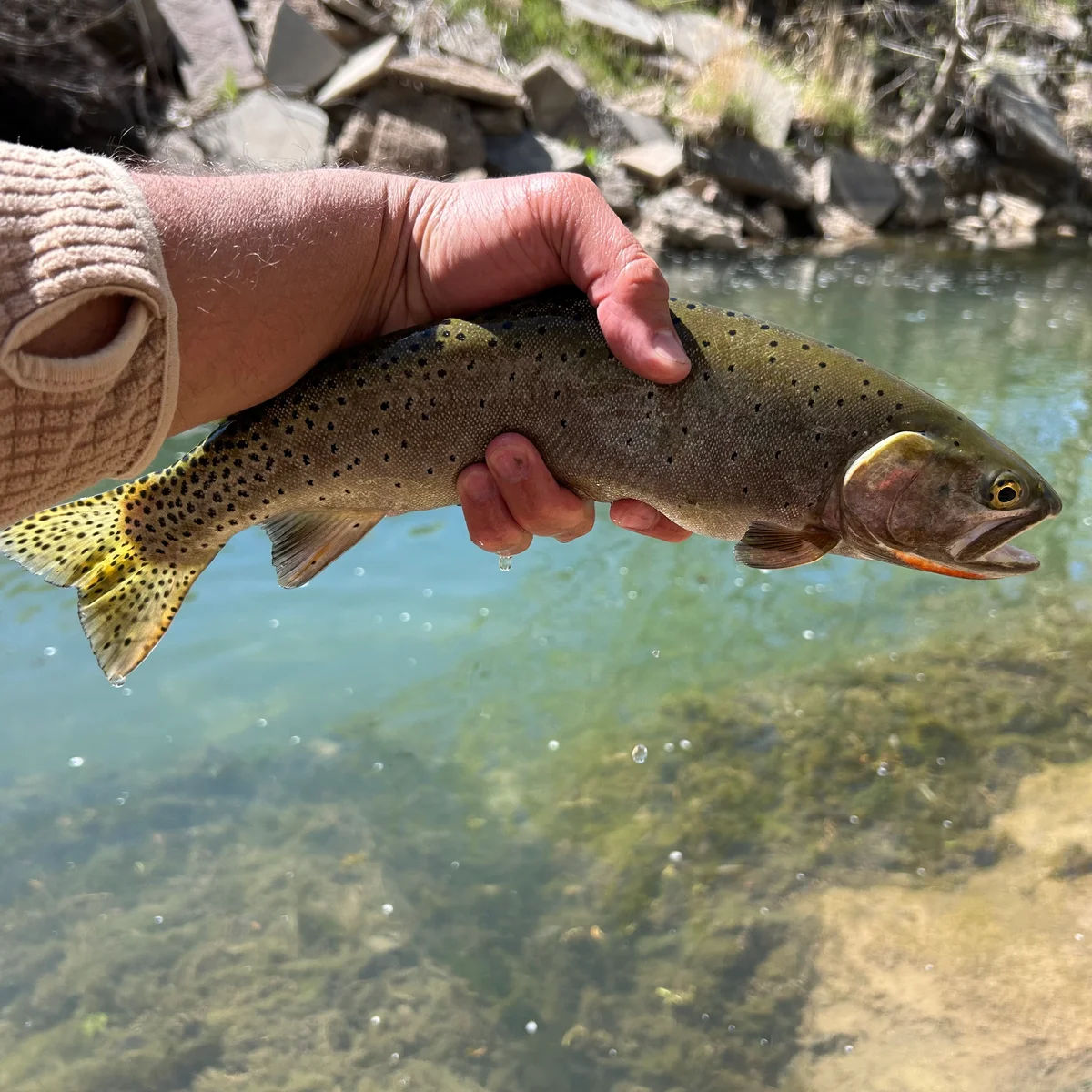
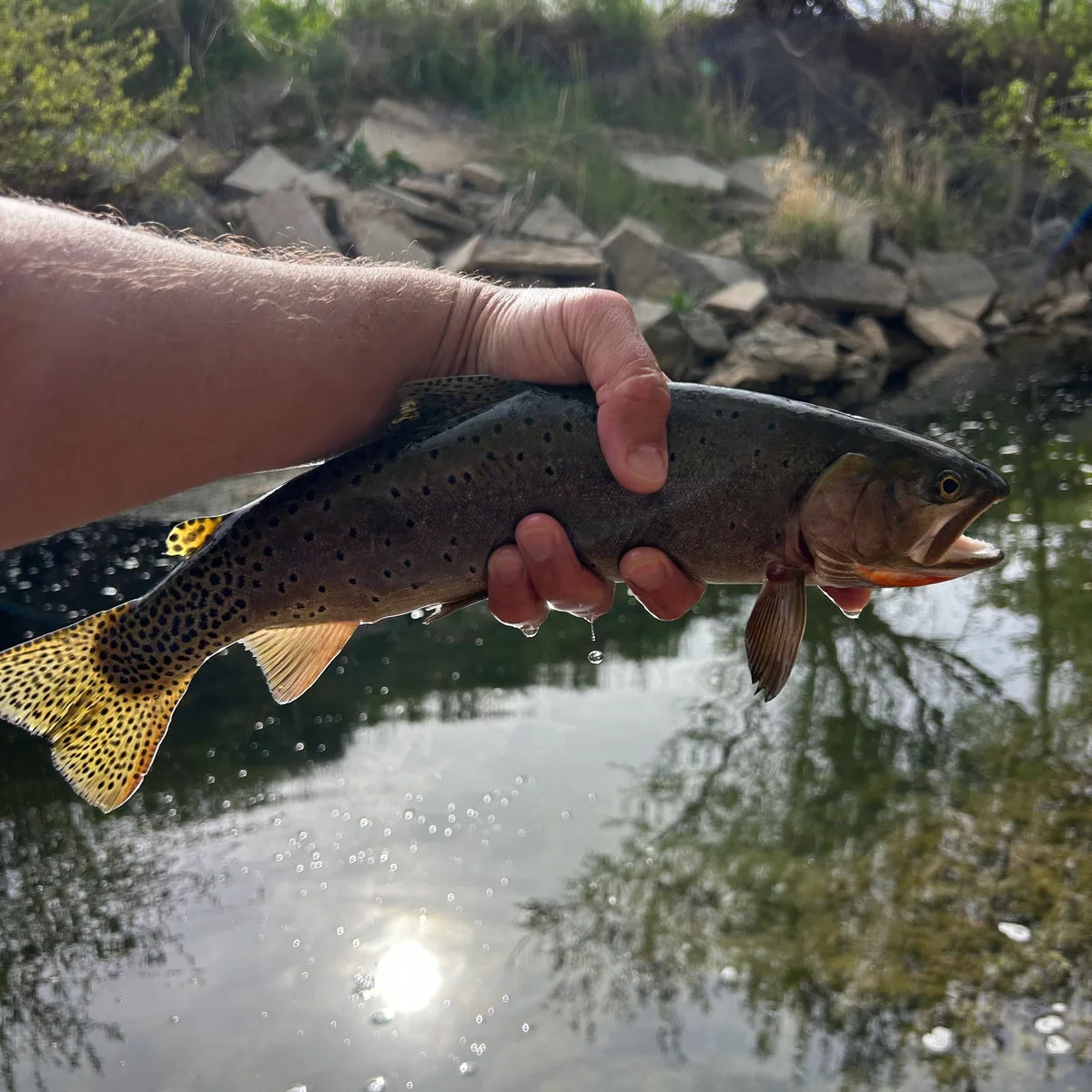
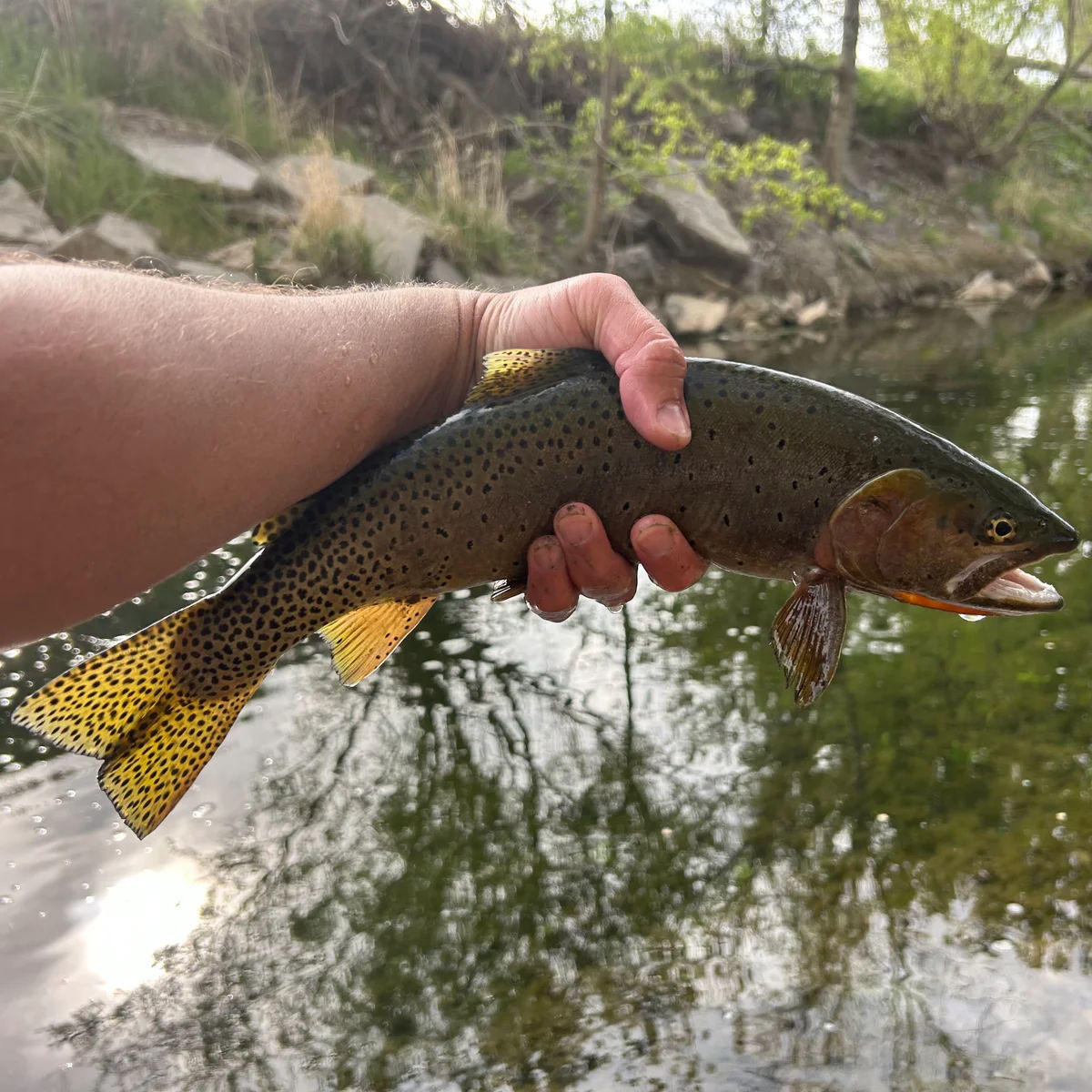
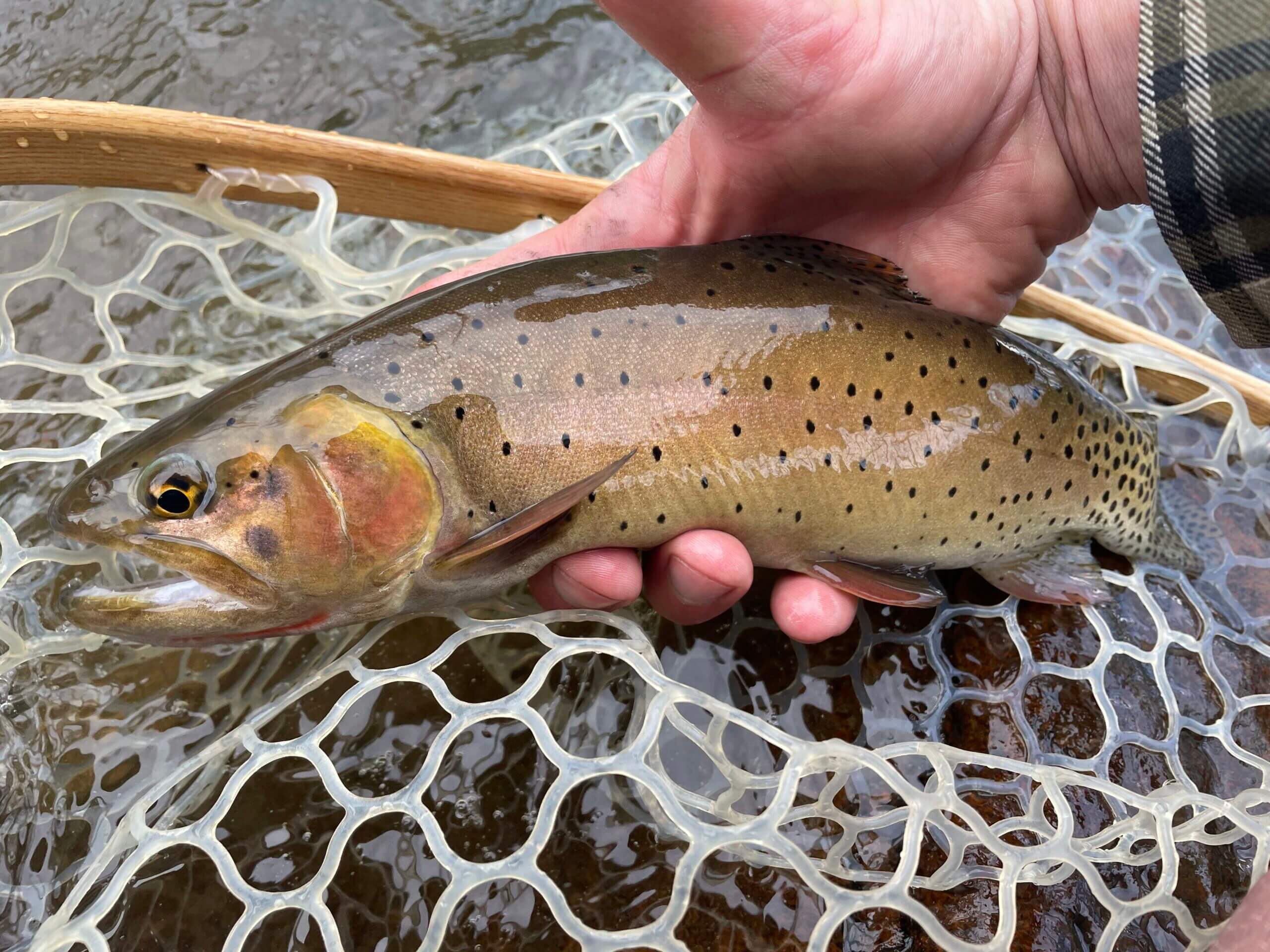
The distinctive orange or red "cutthroat" mark beneath the jaw
A silver, olive, or golden body depending on the water
Rounded black spots concentrated across the body
Soft pink or peach tones during spawning
Every stream gives them a slightly different appearance, making each fish unique.
Where Can You Find Them?
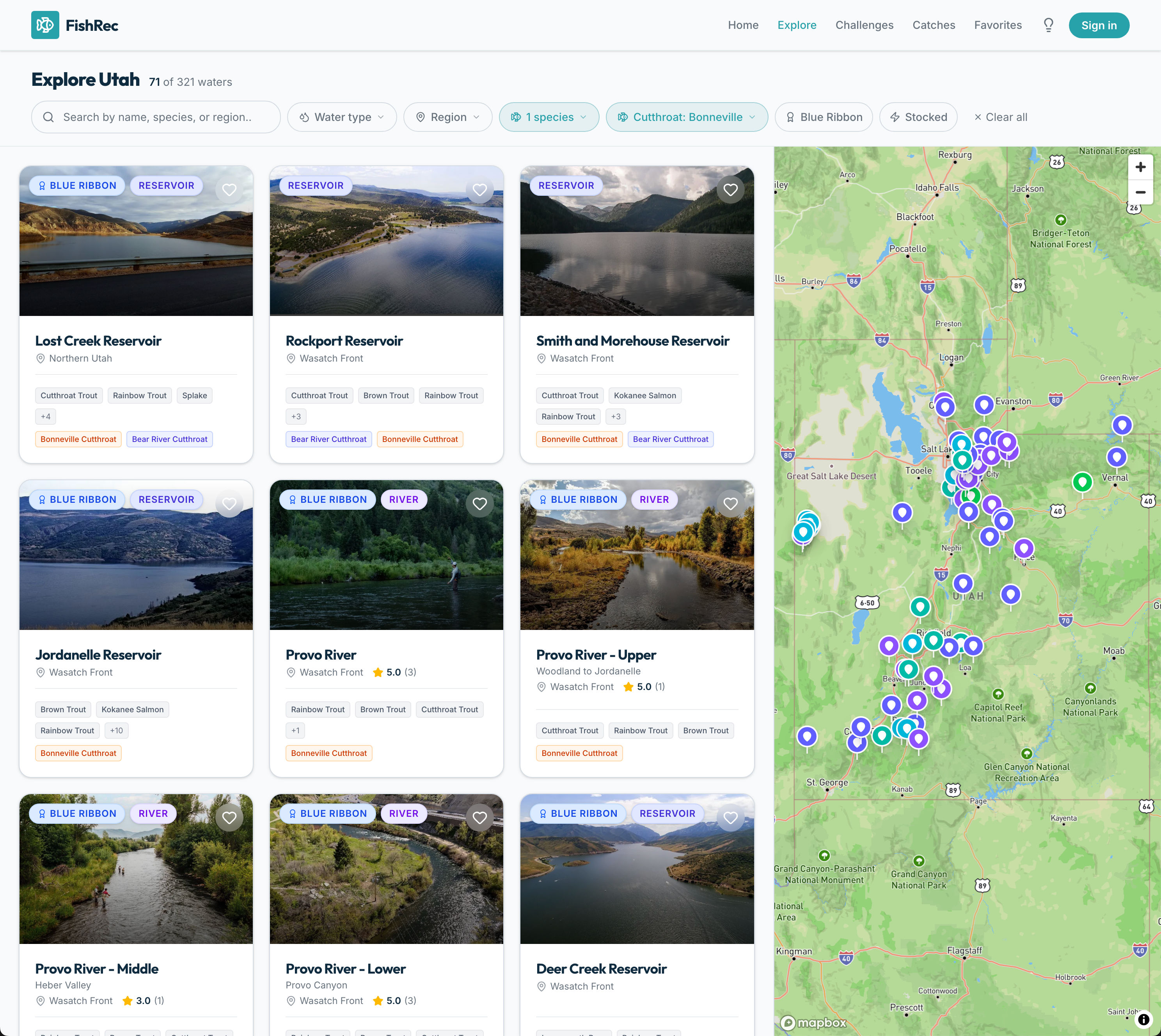
One of the best parts about chasing Bonneville Cutthroat is that doing so often takes you to some of Utah's most scenic waters. Depending on the season and local management, FishRec highlights waters where Bonneville Cutthroat are present, including examples such as:
Weber River (upper sections)
Availability and distribution can change over time as fisheries are managed and restored, so always check current regulations before heading out. FishRec's water pages make it easy to see which species are present before planning your trip.
Why Native Fish Matter
Native species help tell the story of a place. They evolved alongside Utah's rivers, streams, and lakes and play an important role in those ecosystems. Learning about native fish helps us appreciate not only what we catch, but also why protecting healthy habitat matters for future generations.
One of the best ways to appreciate Utah's fishing heritage is to seek out its native trout. Whether you're trying to catch your very first Bonneville Cutthroat or hoping to complete the Utah Cutthroat Slam, every trip becomes more rewarding when you understand the story behind the fish on the end of your line. That's exactly what FishRec is designed to help you do.
A Fish Worth Catching
The next time you catch a Bonneville Cutthroat, take a second before making your next cast. That fish is part of a story that started long before any of us were fishing these waters. Its ancestors lived in the Lake Bonneville basin thousands of years ago, and despite enormous changes to Utah's landscape, small populations managed to survive.
Today, anglers have the opportunity to find them in waters across their native range again. That's part of what makes exploring Utah so interesting. Sometimes the fish you're looking for isn't just another species to check off a list. It's a reason to visit a new water, learn something about the place you're fishing, and appreciate what was here long before we arrived.
Find a new water. Catch one if you're lucky. And if you do, handle it well and send it back for the next angler to discover.