Think Like a Fish
By Tiafau Purcell
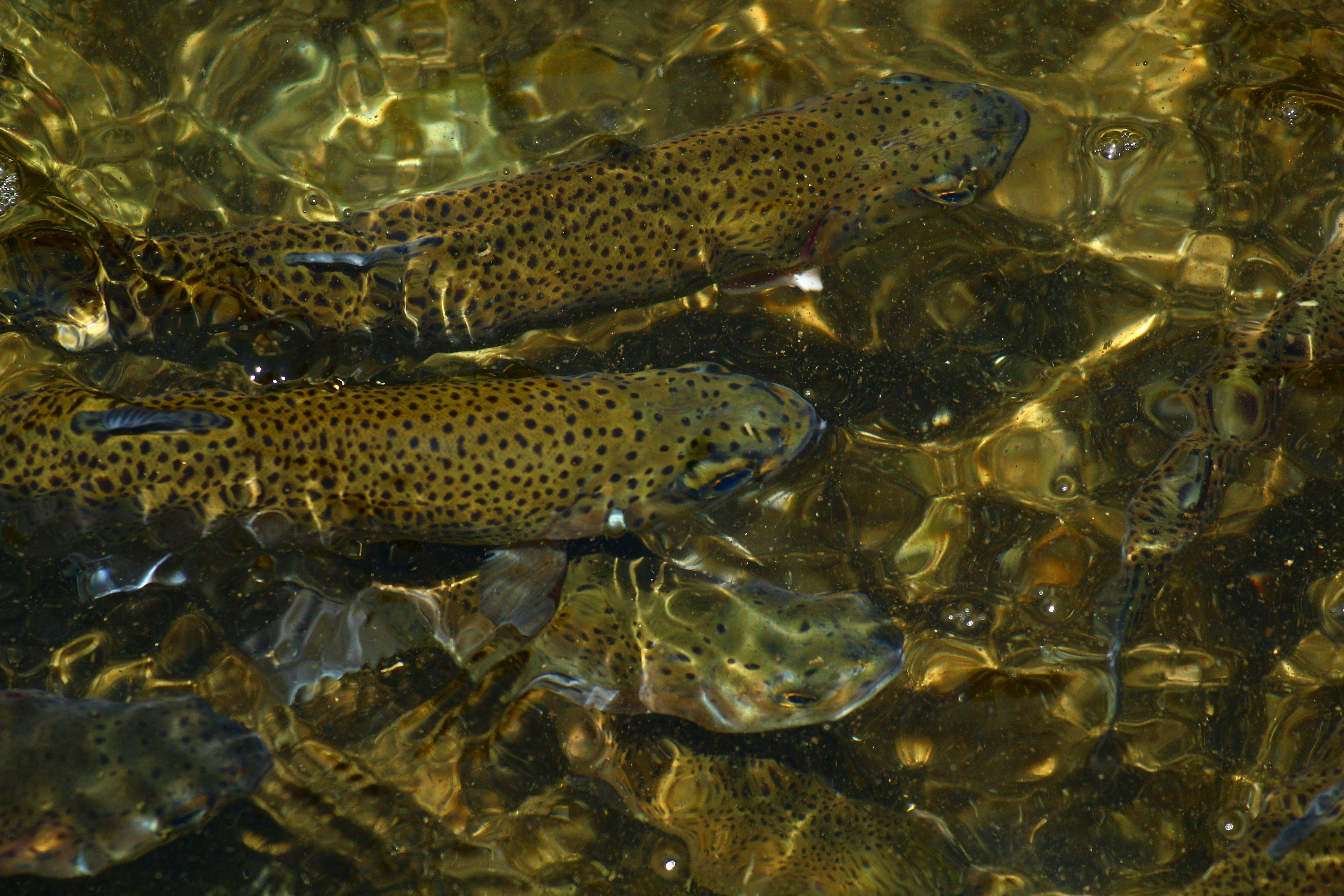
Fish don't care about parking lots, trails, or the easiest place to cast. They care about food, safety, and conserving energy. The moment you stop thinking like an angler and start thinking like a fish, the water begins to make a lot more sense.
Have you ever walked up to a river and immediately started casting? Most of us have. When we're excited to fish, it's natural to tie on a favorite fly or lure and make that first cast as quickly as possible. But before your line ever touches the water, there's an opportunity many anglers miss. The opportunity to simply observe. The fish are already telling you where they want to be—you just have to know what you're looking for.
Fish Have Simple Priorities
Whether you're fishing a mountain stream, a quiet pond, or a large reservoir, fish spend their day trying to solve the same basic problems.
They need to find food.
They need protection from predators.
They want to conserve as much energy as possible.
Fish don't wander aimlessly. Every place they hold has a reason. Once you begin looking at the water through that lens, the landscape changes.
In Rivers, Look for Places That Do the Work
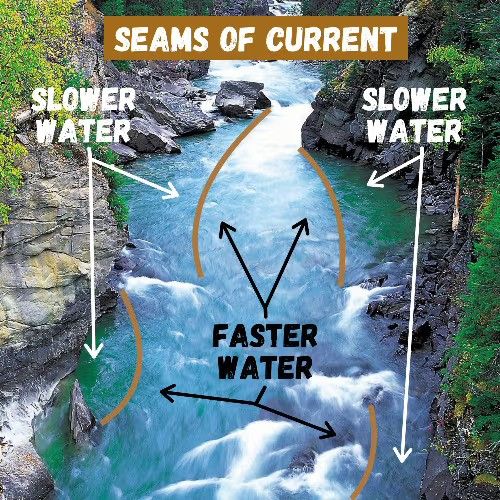
Fast-moving water brings food, but swimming against heavy current all day takes energy. That's why trout often hold just outside the strongest current, where they can rest while waiting for insects or baitfish to drift by.
Keep an eye out for:
Current seams where fast and slow water meet
Deep pools
Eddies behind rocks
Undercut banks
Logs and submerged structure
These areas give fish the best of both worlds: easy access to food without burning unnecessary energy.
Lakes Tell a Different Story
Still water doesn't have current, but fish are still looking for the same things.
In lakes and reservoirs, pay attention to:
Rocky points
Drop-offs
Weed edges
Fallen timber
Inlets where fresh water enters
Areas that provide shade or changing depth
These features create natural feeding areas and provide cover throughout the day.
Slow Down Before Your First Cast
One of the easiest habits to develop is also one of the most valuable. Pause for a minute. Watch the water. Look for insects. Notice wind direction. Watch for baitfish. See if you notice fish rising or subtle movement beneath the surface. Those sixty seconds of observation often reveal more than rushing into your first dozen casts.
Not every day on the water ends with a trophy fish. Sometimes the greatest reward is learning something new. Maybe you notice fish feeding only in the shade. Maybe you realize trout moved into deeper water after the sun came up. Maybe you discover that changing your casting angle made all the difference. Those observations build experience. And experience is something no fishing report, GPS pin, or social media post can give you.
Never Stop Learning
One of the reasons we built FishRec is to encourage exploration and learning. We'll help you discover new waters, learn about different fish species, understand seasonal patterns, and find places worth exploring. But we also hope every trip helps you build something even more valuable. Confidence. Because once you begin understanding why fish are where they are, you become less dependent on luck—and more connected to the water itself.
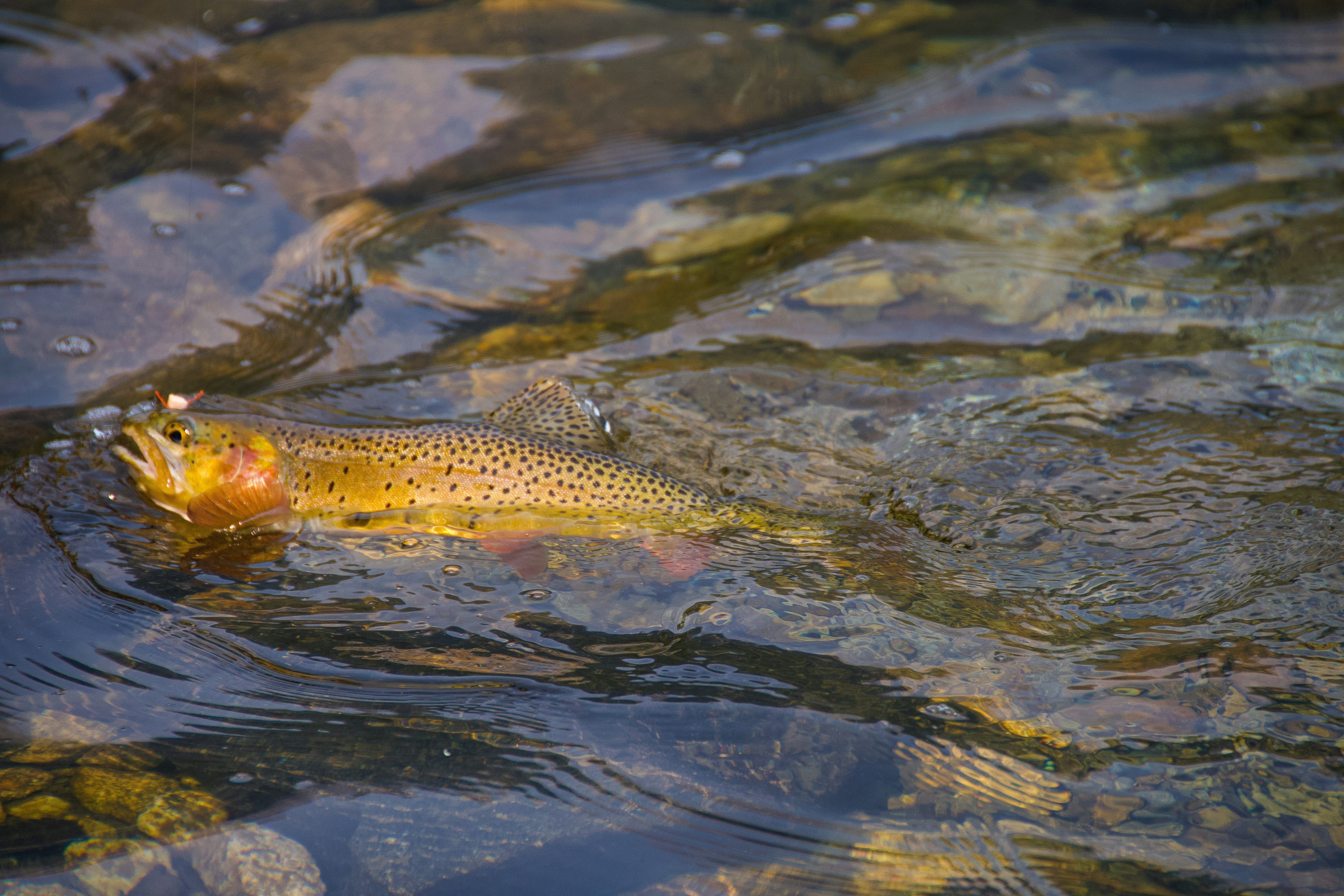
No matter how long you've been fishing, every outing has something to teach you. Pay attention to the water. Ask questions. Be curious. The more you observe, the more patterns you'll begin to notice. And before long, you'll realize that the best fishing advice wasn't a secret location. It was learning to think like a fish.
At FishRec, we believe the best anglers are lifelong learners. Keep exploring, stay curious, and let every trip teach you something new.