Utah’s Kokanee Salmon Run: When the Water Turns Red
By Tiafau Purcell
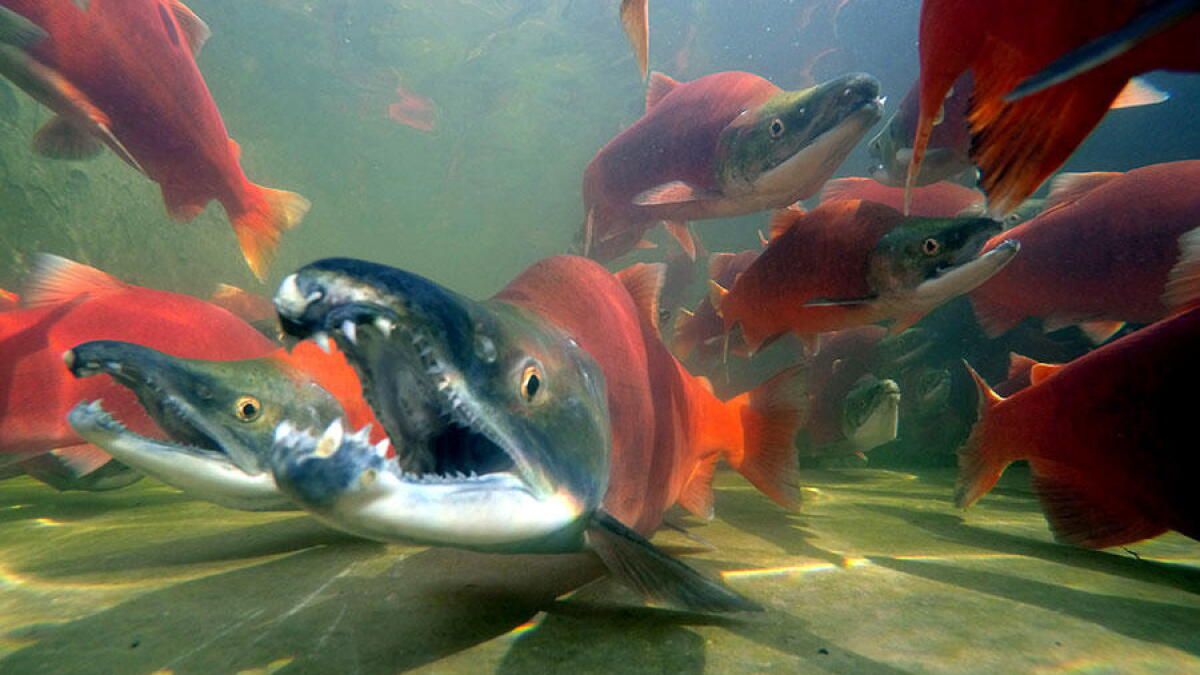
For most of the year, kokanee salmon are silver. Then fall arrives, and everything changes.
Their bodies turn brilliant red. Males develop hooked jaws and humped backs. And almost instinctively, they leave the open water behind and begin swimming upstream toward the places where the next generation will begin.
It’s one of the most remarkable events happening beneath the surface of Utah’s waters—and for a few weeks each fall, you can watch it happen.
When the Water Turns Red
Fall in Utah usually gets attention for what’s happening in the mountains. Aspens turn gold. Maples turn red. Temperatures cool. And people head into the canyons to watch the landscape change.
But there’s another transformation happening beneath the surface. Kokanee salmon that spent most of the year cruising Utah’s deep reservoirs begin gathering near tributaries. Their normally silver bodies gradually change to orange and then deep red. Then they start swimming upstream. Some migrate only a short distance. Others may travel miles through rivers and creeks in search of spawning habitat.
The Utah Division of Wildlife Resources says kokanee can migrate as far as 20 miles during their annual spawning run. And once you’ve seen a stream filled with bright red salmon moving through clear water, it’s hard to forget.
What Exactly Is a Kokanee?
Kokanee are landlocked sockeye salmon. Unlike their ocean-going relatives, kokanee spend their entire lives in freshwater. Most of the year, they look very different from the bright red fish people associate with the fall run. Their bodies are silver with darker blue backs, making them perfectly suited for life in the open water of Utah’s reservoirs.
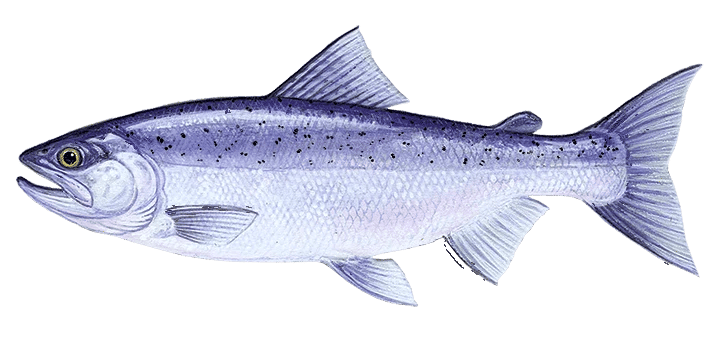
Then spawning season approaches and their bodies begin changing dramatically. Females turn shades of orange and red. Males become deep red and develop an elongated head, hooked jaw, pronounced hump and larger teeth. They’re preparing for the final stage of their lives.
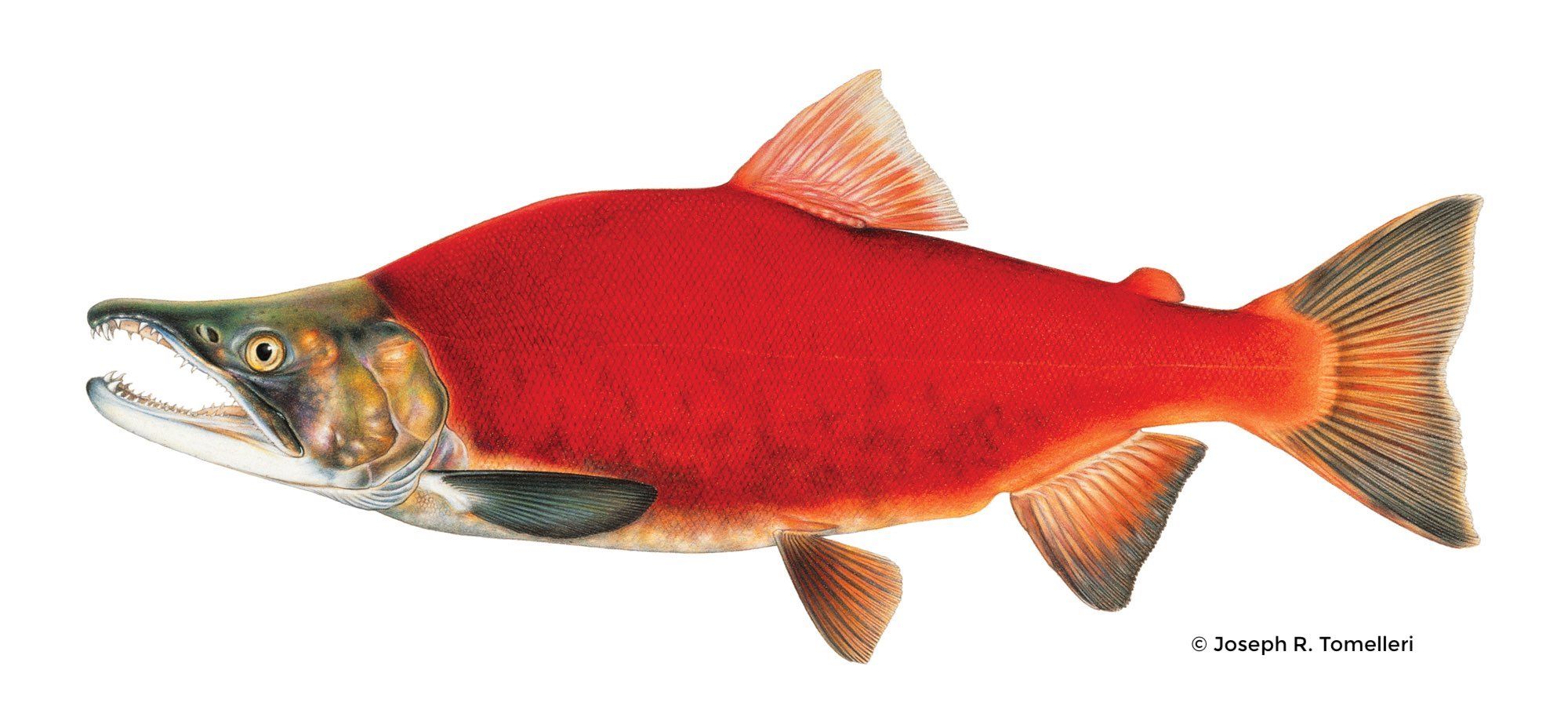
One Final Journey
For kokanee, the fall migration isn’t simply another seasonal movement. It’s the culmination of their entire life cycle. As spawning season approaches, mature fish leave the reservoirs where they’ve spent most of their lives and begin searching for suitable gravel in rivers and streams. Females create nests, called redds, in the gravel where they deposit their eggs. Males fertilize them, and the eggs remain protected between the rocks as the next generation develops.
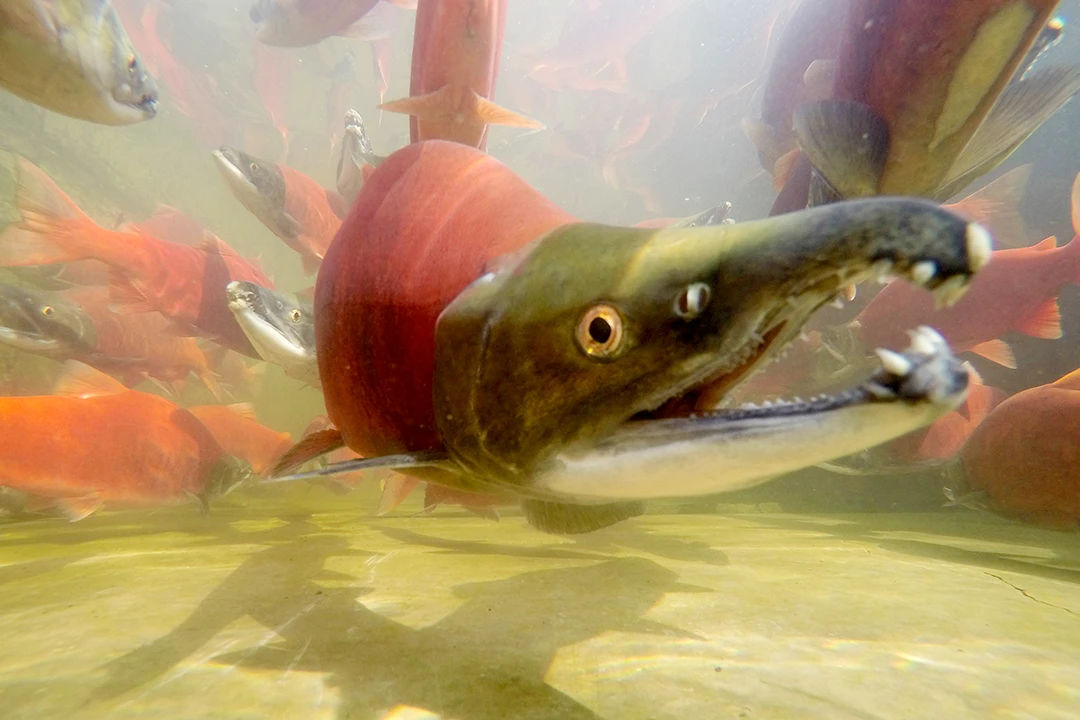
Unlike trout, kokanee don’t return to the reservoir afterward. After spawning, they die. But beneath the gravel, their story is already beginning again. Those eggs will eventually hatch, and young kokanee will make their way downstream into the reservoir. Years later, the surviving adults will begin the same journey upstream.
Why Protecting the Spawn Matters
Seeing hundreds of bright red fish gathered in shallow water can be exciting. It also makes them incredibly vulnerable. Many of Utah’s kokanee populations depend heavily on natural reproduction. That means the gravel beneath your feet may contain thousands of developing eggs even when you can’t see them. Walking through spawning areas can crush those eggs.
Dogs chasing fish through shallow water can disturb spawning adults. Trying to catch, touch or pick up spawning salmon can disrupt fish that have already completed a difficult migration. Sometimes the best way to experience a fish is simply to watch it. Stay along the bank or use bridges and established viewing areas when possible. Give the fish room to move upstream, and avoid walking through areas where salmon are actively spawning. The fish you’re watching aren’t just finishing their own journey. They’re creating the next generation.
Where to See Utah’s Kokanee Run
One of the best things about Utah’s kokanee run is that you don’t need a fishing rod to experience it. Several reservoirs around the state have spawning runs that can be viewed from trails, bridges, boardwalks or nearby shorelines. Timing varies by water and conditions, but September through October is generally the heart of Utah’s kokanee spawning season.
Strawberry Reservoir
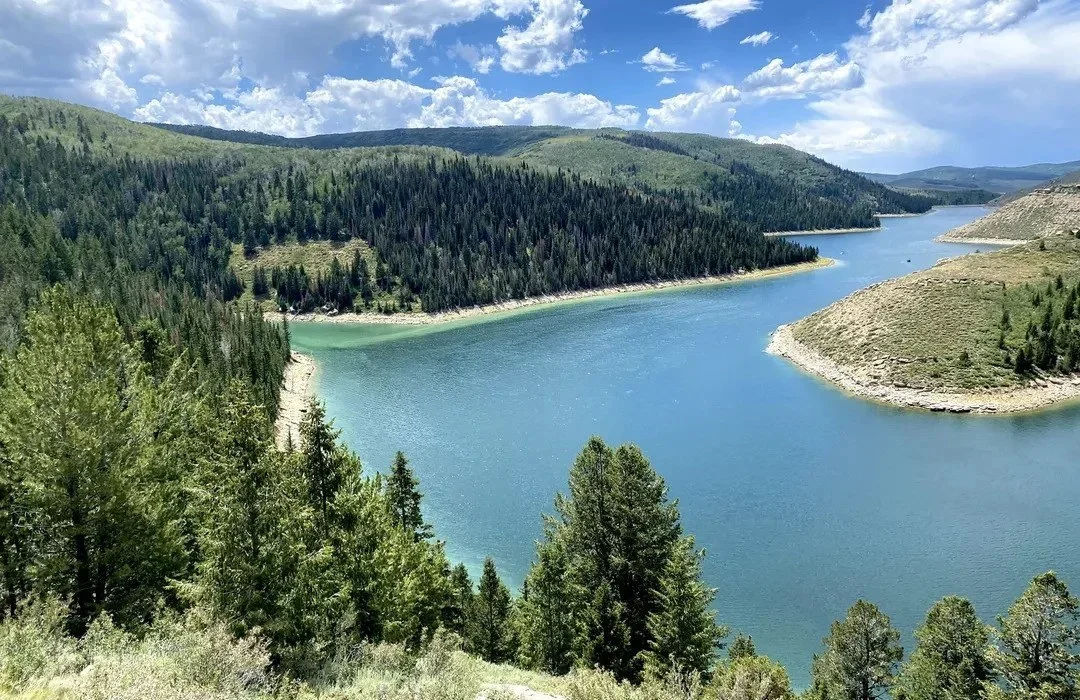
Strawberry is one of Utah’s most recognizable kokanee fisheries and one of the easiest places to learn about the spawning run. Kokanee migrate into the Strawberry River, where the DWR operates a fish trap and egg-taking facility near the U.S. Forest Service visitor center.
In 2026, the DWR’s annual kokanee viewing event is scheduled for September 19 from 9 a.m. to 3 p.m. Biologists will be there to show visitors the fish and explain their life cycle and the work being done to manage Utah’s kokanee populations. Even outside the event, kokanee can typically be seen in the area throughout September.
Check out Strawberry Reservoir
Jordanelle Reservoir & Upper Provo River
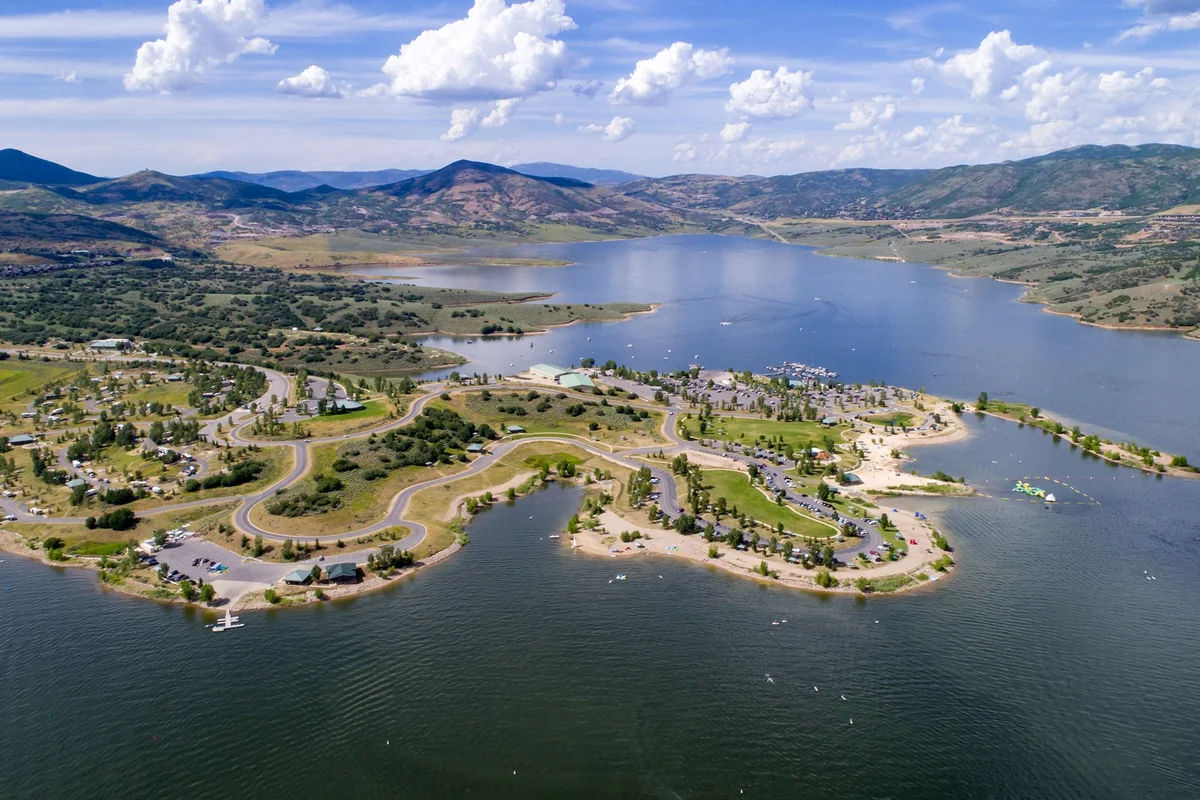
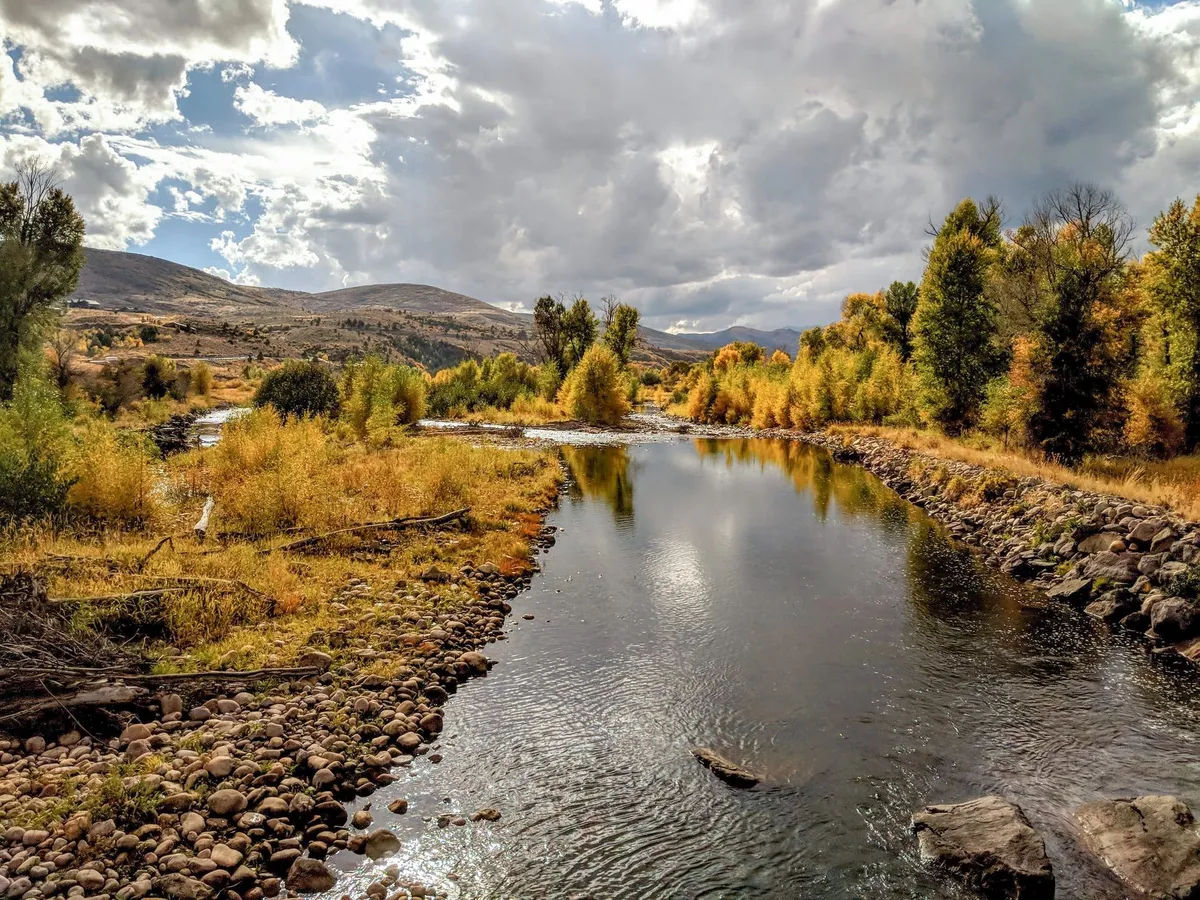
This one should sound familiar to FishRec anglers. The same Upper Provo River we know as a Blue Ribbon trout fishery also plays an important role in another Utah fishery.
Kokanee living in Jordanelle Reservoir migrate into the Provo River above the Rock Cliff recreation area to spawn. Trails around Rock Cliff provide opportunities to walk toward the river, and a bridge allows visitors to watch salmon moving through the water without disturbing them. The run generally lasts through September and typically peaks around the middle of the month.
Check out Jordanelle Reservoir
Fish Lake
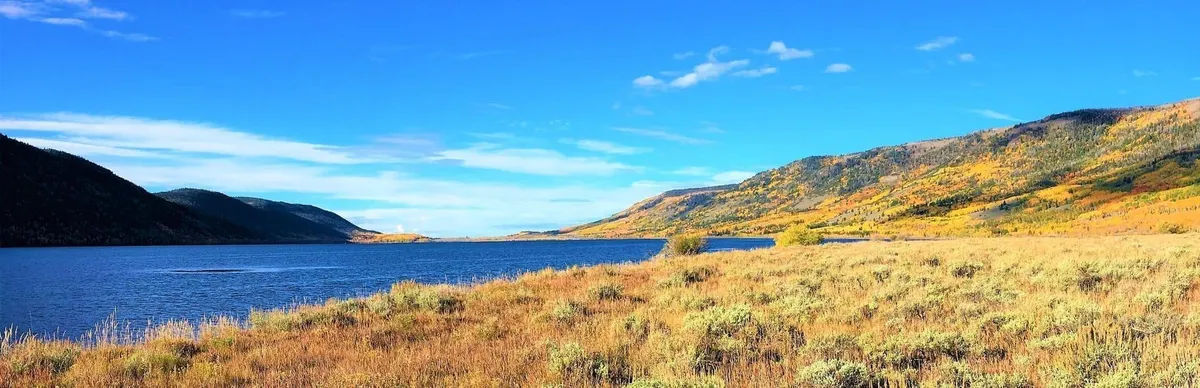
Fish Lake has become another excellent place to watch the run. Kokanee migrate into Twin Creeks near Fish Lake Lodge, where a recently renovated boardwalk provides a great view into the clear water. The DWR’s 2026 Fish Lake viewing event is scheduled for September 26 from 3 to 7 p.m. The run can often be observed here into October.
Causey Reservoir
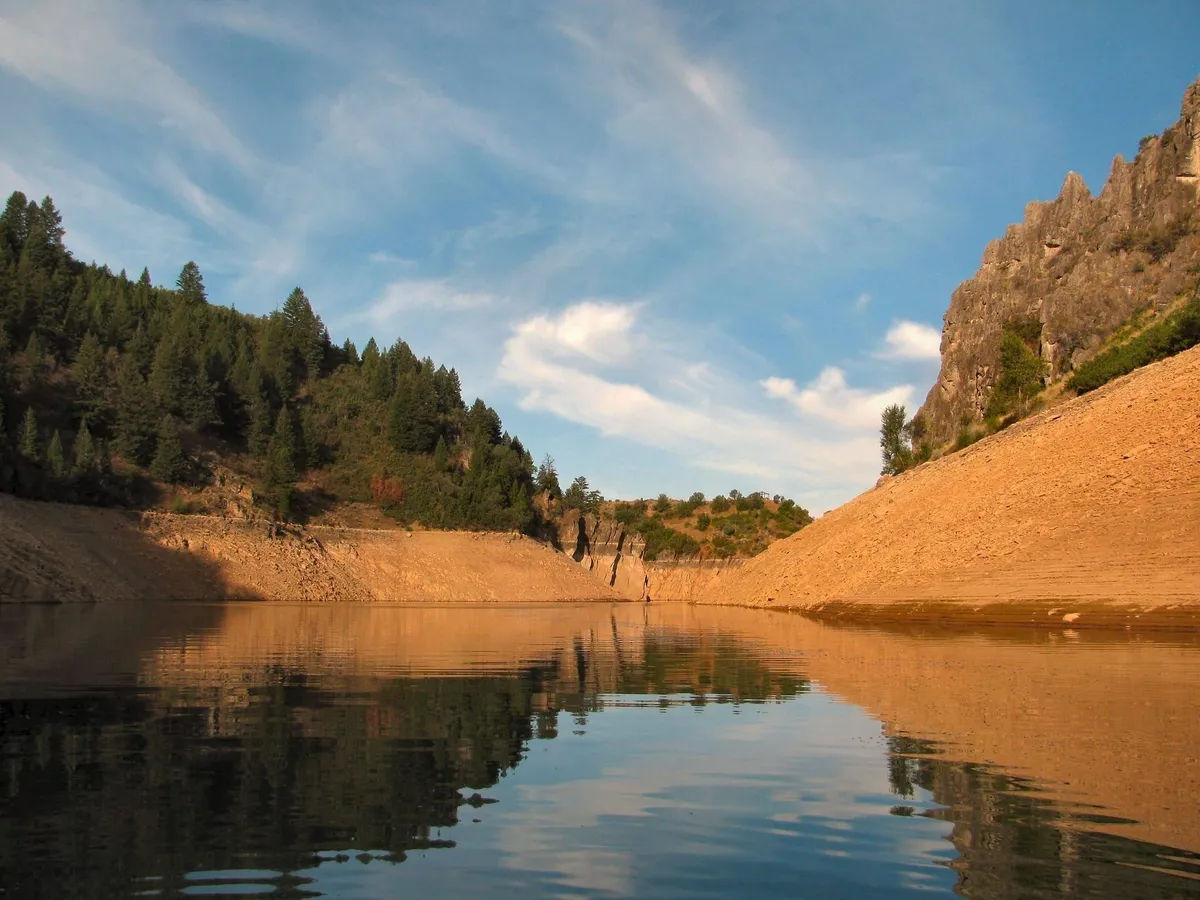
Causey offers a completely different kokanee experience. Rather than walking to the fish, you’ll generally need to paddle.
Kokanee migrate into the forks of the South Fork of the Ogden River where it enters the reservoir. Kayaks, canoes and paddleboards can provide access to viewing areas. The run usually peaks around the middle of September. Access can change, however. In 2026, the Skullcrack Canyon parking area is closed during the Causey Improvement Project, so visitors should check current conditions before making the trip.
Smith and Morehouse Reservoir
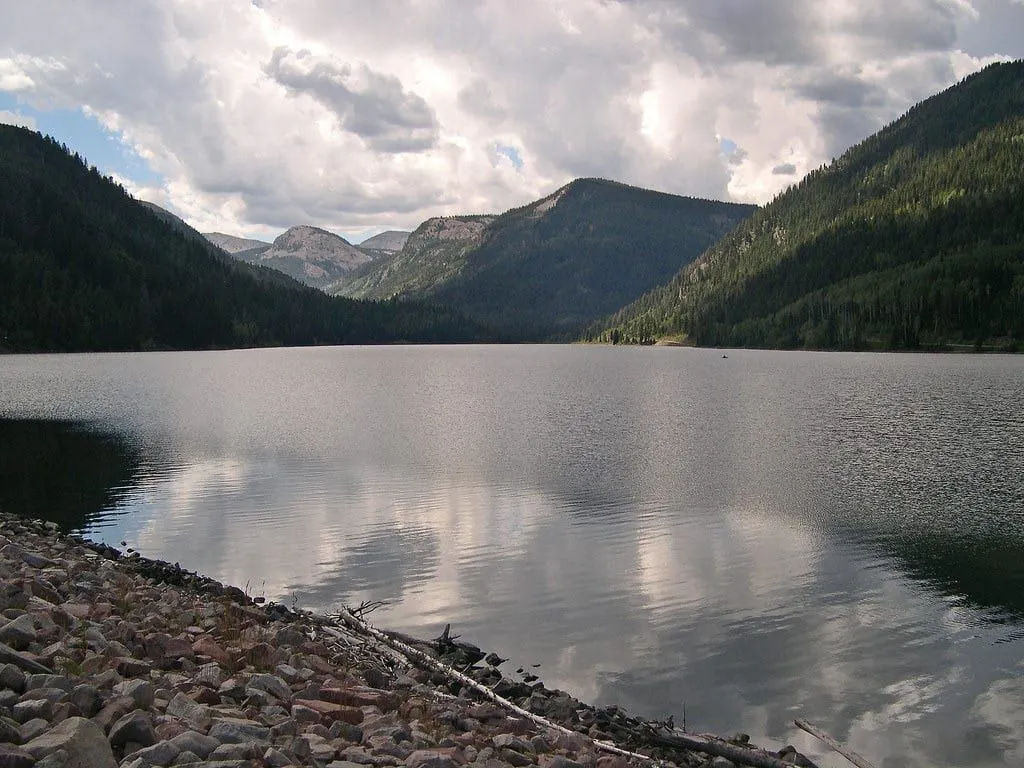
Kokanee from Smith and Morehouse Reservoir move into Smith and Morehouse Creek and Red Pine Creek. Late September through the middle of October is generally the best viewing window.
Check out Smith and Morehouse Reservoir
Stateline Reservoir
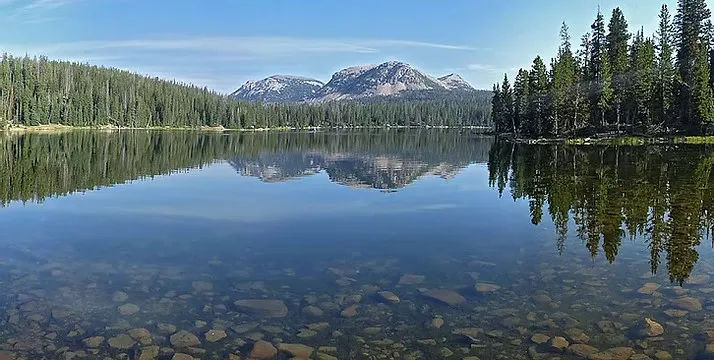
High in the Uinta Mountains near the Utah-Wyoming border, Stateline offers another unique opportunity. Kokanee migrate into the east fork of Smith’s Fork at the north end of the reservoir. The fish here tend to be smaller, but the DWR notes they can be very abundant. The run generally peaks around the middle of September.
Electric Lake
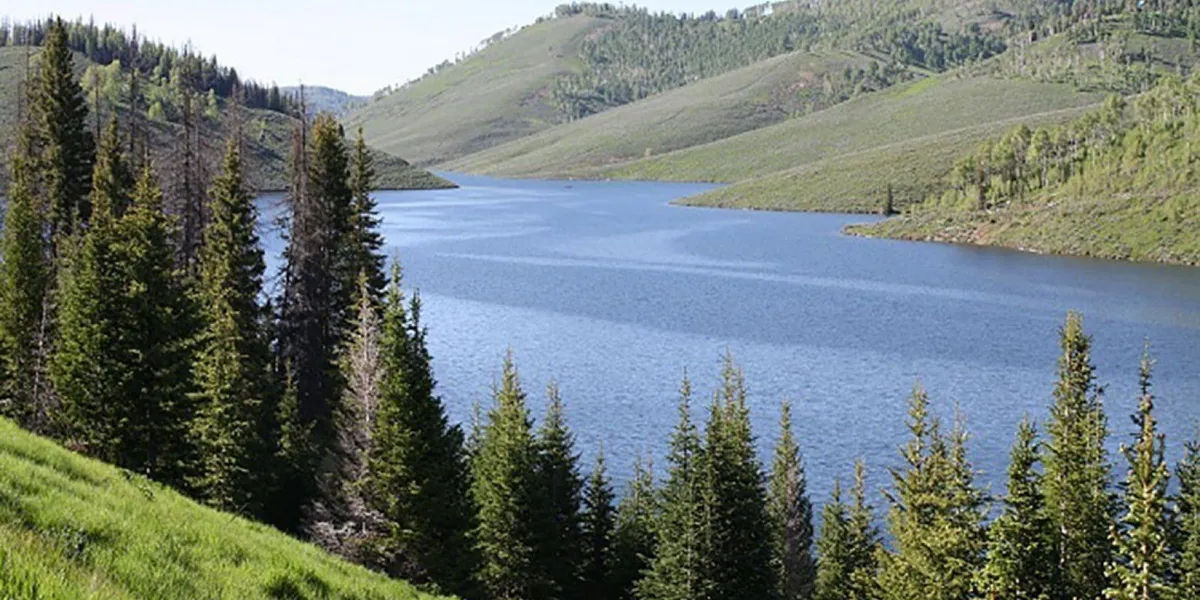
At Electric Lake, spawning salmon move into Boulger Creek and Upper Huntington Creek. The migration begins in September and can continue through the end of October, with some of the best viewing typically occurring during the first half of October.
Sheep Creek & Flaming Gorge
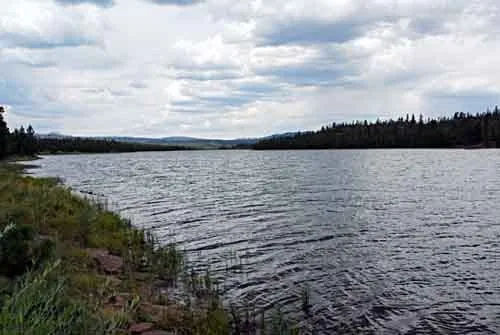
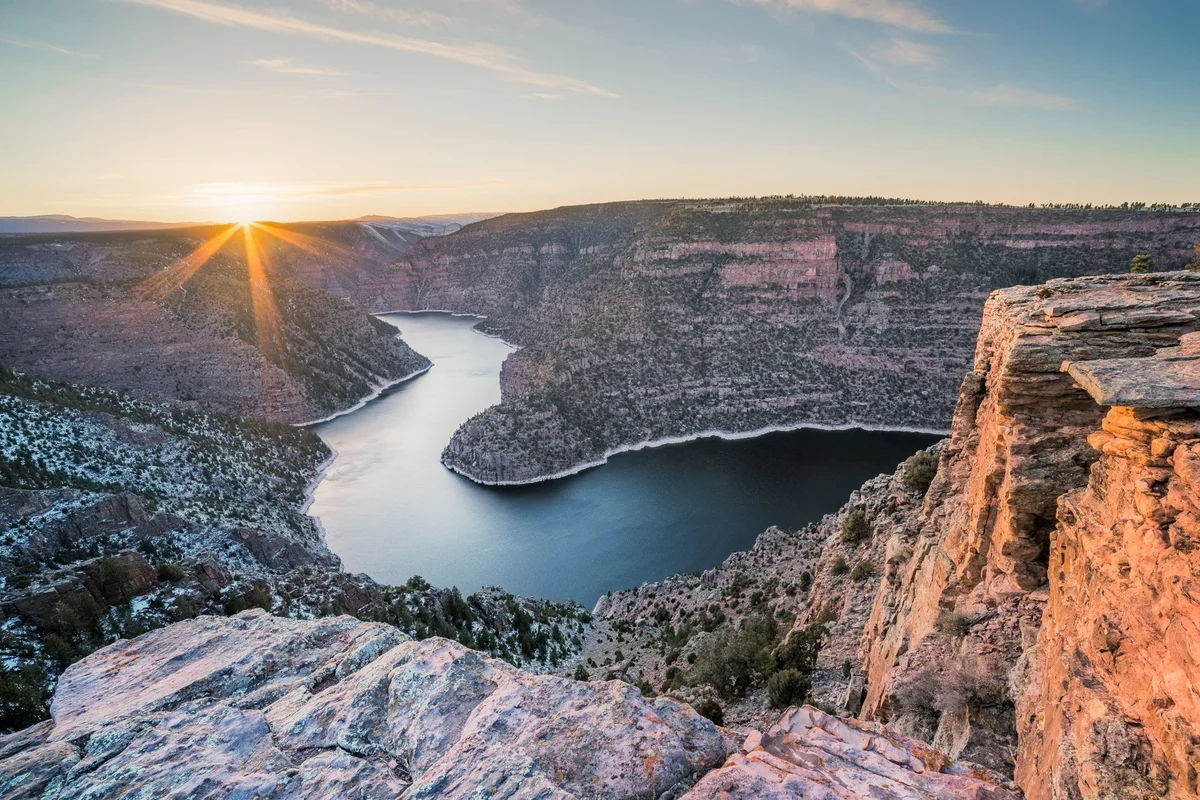
Flaming Gorge supports one of Utah’s most important kokanee populations. Spawning fish migrate into Sheep Creek, where the DWR operates a fish trap used to collect eggs and milt for hatchery production. If you encounter the trap, give it—and the fish below it—plenty of space. The work happening here helps support kokanee fisheries not only at Flaming Gorge, but elsewhere in Utah and Wyoming.
Check out Flaming Gorge Reservoir
Know Before You Fish
Fall is a great time to watch kokanee. It’s also an important time to understand the regulations protecting them. In Utah, anglers may not possess kokanee salmon from September 10 through November 30 during the spawning season.
Some waters and tributaries have additional restrictions or earlier closures. Fishing regulations can change, so always check the current Utah Fishing Guidebook before fishing a water during the kokanee run.
And remember: just because you can see spawning fish doesn’t mean you should target them. There are times when putting the rod down is part of being a good angler.
Take Someone Who Has Never Seen It
You don’t need to be an experienced angler to appreciate the kokanee run. In fact, this may be one of the best fishing-related experiences in Utah for someone who doesn’t fish at all. Take your kids. Bring a friend. Walk along the river. Watch the fish navigate shallow riffles and gather over gravel.
See how dramatically they’ve changed from the silver kokanee you might catch from a boat earlier in the year. Fishing teaches us a lot about fish. But sometimes watching them teaches us even more. Bring a camera. Watch the water turn red. And let the fish do what they’ve been swimming their entire lives to do.