Utah’s Golden Trout: The Rare Trout Worth Hiking For
By Tiafau Purcell

Some trout are measured in inches. A golden trout is measured in miles.
Finding one in Utah can mean driving deep into the mountains, hiking into the high country and exploring an alpine lake you’ve never seen before. The fish may not be big, and there’s no guarantee you’ll catch one, but that’s exactly what makes the search so rewarding.
A Different Kind of Fishing Trip
There are plenty of places in Utah where you can park near the water, grab a rod and be fishing within a few minutes. Chasing golden trout usually isn’t that kind of trip.
Golden trout are one of the more unusual fish you can encounter in Utah, found in only a small number of remote, high-elevation waters. Reaching them may require a long drive into the mountains followed by several miles on foot, sometimes on trails that become less obvious the farther you go.
You might spend more time hiking than fishing, and there’s always a chance you’ll make the entire trip without catching the fish you came for. For anglers who enjoy exploring new water, that’s part of what makes golden trout so appealing. The experience starts long before the first cast.
What Is a Golden Trout?
Golden trout (Oncorhynchus aguabonita) are members of the same group of Pacific trout and salmon that includes rainbow and cutthroat trout. They’re native to a small area of California’s southern Sierra Nevada and were introduced into select waters outside their native range, including Utah.
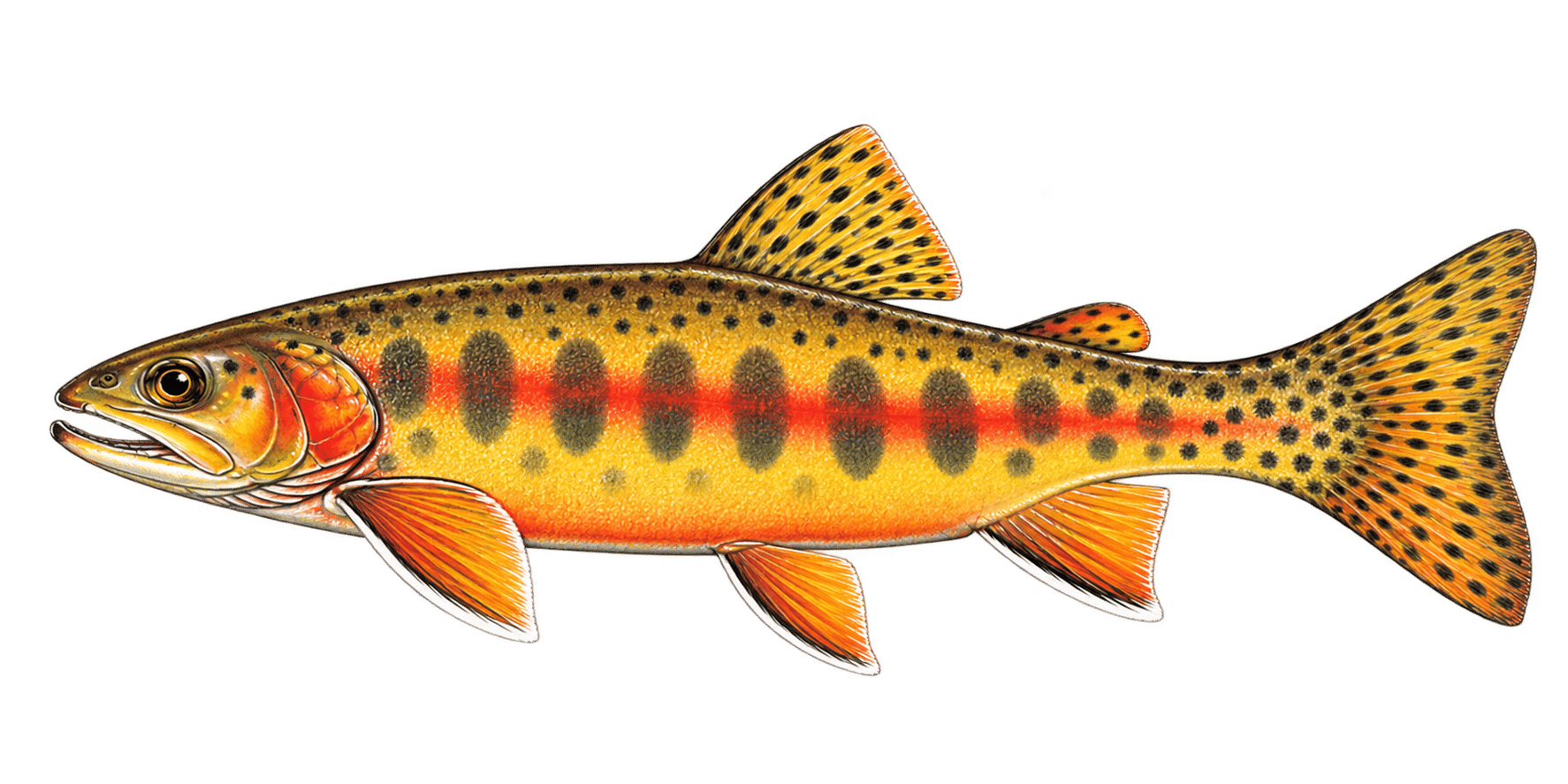
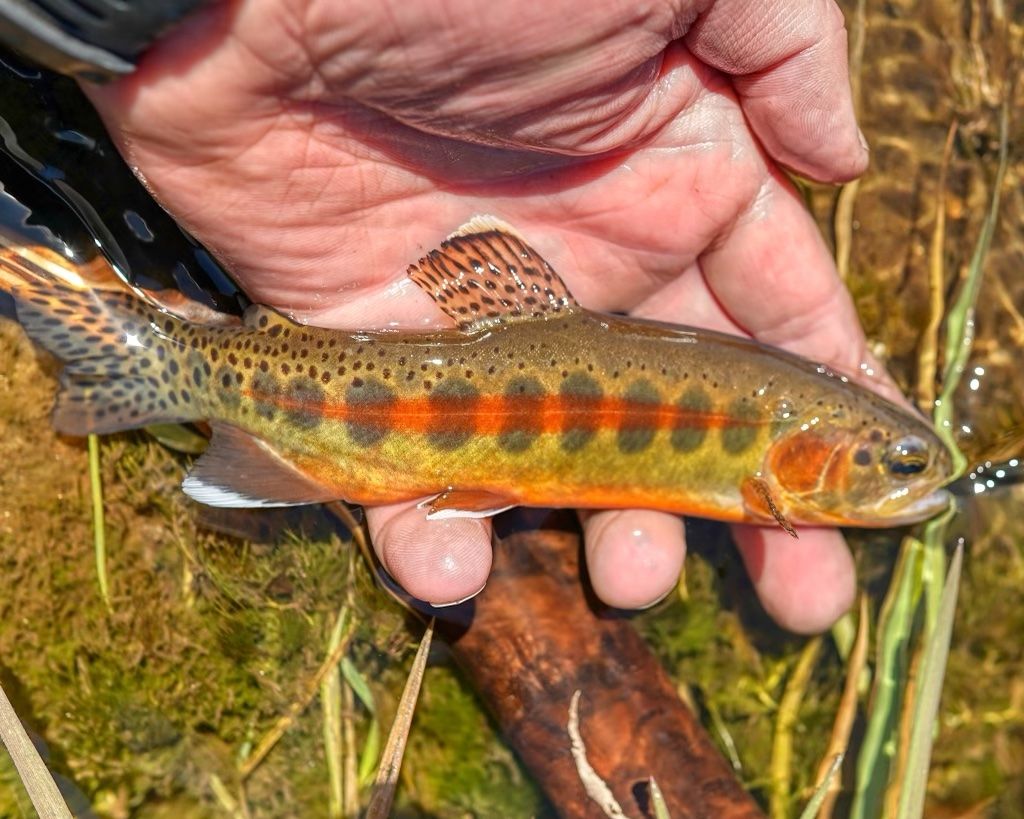
They’re also one of the easiest trout to recognize. Their sides can range from yellow to brilliant gold, with orange or red coloring along the belly and lateral line. Dark oval-shaped parr marks often remain visible along their sides, creating a fish that looks especially striking against the clear water of an alpine lake.
Although they’re now part of Utah’s fishing landscape, golden trout aren’t native here. Their presence in the state is the result of fish stocking and fisheries management that created opportunities for anglers to encounter a species that otherwise wouldn’t exist in Utah.
Why the High Country?
Golden trout are well suited to cold, clear water, which is one reason Utah’s high-elevation lakes can provide suitable habitat for them. These aren’t easy environments, though. Winters are long, the growing season is short and some lakes remain covered in ice for much of the year. Food can also be limited compared with more productive reservoirs and rivers at lower elevations. Golden trout feed heavily on insects and other small aquatic organisms, and their growth is influenced by the relatively short season when food is abundant. Utah’s Division of Wildlife Resources describes golden trout as something a particularly motivated angler might encounter in remote high-country waters. That’s a pretty good description of what it takes to find one. Brook trout and cutthroat trout are much more common throughout Utah’s mountain lakes and streams, while golden trout remain an exception.
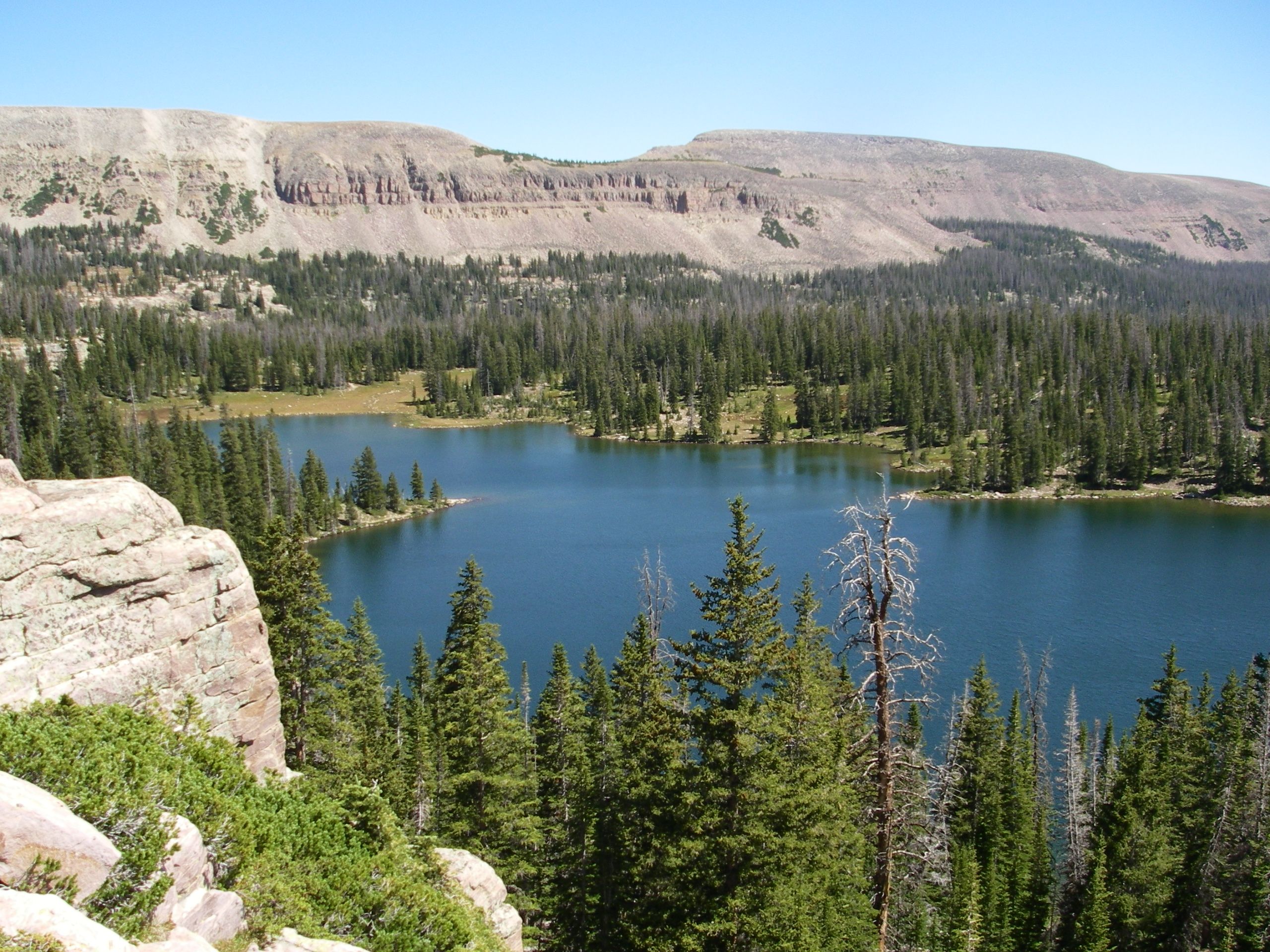
For many Utah anglers, the Uinta Mountains are what come to mind when talking about high-country fishing. There are hundreds of lakes scattered across the range, along with miles of streams and plenty of water that requires some effort to reach. A typical trip might begin on pavement, continue for miles on a forest road and eventually turn into a hike through lodgepole pine, meadows and rocky terrain. Some lakes are relatively easy to reach, while others require enough effort that you may only see a handful of people all day.
That’s one of the things I like about fishing the Uintas. You can look at a map, choose a lake you’ve never visited and make the day about seeing what’s there. Sometimes the fishing is excellent. Sometimes it’s slow. Occasionally you arrive at a lake and spend half the afternoon wondering whether there are any fish in it at all. Golden trout fit naturally into that kind of fishing. Finding the fish is part of the challenge, but finding a new piece of Utah along the way is often just as rewarding.
How Do Fish Get Into Such Remote Lakes?
If you’ve ever hiked into a mountain lake miles from the nearest road, you’ve probably wondered how fish ended up there. In many cases, they arrived by airplane. The Utah Division of Wildlife Resources has used aircraft to stock remote mountain lakes for decades. Small fingerlings are carried in a specially equipped plane and released into lakes that can’t practically be reached by stocking trucks. DWR currently aerially stocks more than 300 lakes each year, and golden trout are one of several species that can be stocked this way.
The fish used for aerial stocking are generally only one to three inches long. Their small size allows them to survive the drop into the water at a very high rate, and the method lets fisheries managers maintain populations in lakes that would otherwise be difficult to stock. It’s a pretty unusual thought when you’re standing beside a remote alpine lake: the little trout you’re trying to catch may have reached the lake by air before you spent several hours getting there on foot.
Finding Golden Trout Without Hotspotting
Golden trout may be rare in Utah, but you don’t have to start the search completely blind. FishRec includes Utah waters where Golden Trout are known to be present, giving you a starting point for planning your own high-country trip. Once you’ve chosen a water, FishRec can help you understand how to approach it. Water detail pages include information about the fish you’ll find, access and conditions, along with recommendations for techniques, gear and areas that may be worth focusing on. On an alpine lake, that might mean looking for drop-offs, rocky shorelines, inlet or outlet areas, shallow shelves, or places where insects are active.
What FishRec doesn’t provide are exact fishing spots or GPS coordinates showing where someone caught a fish. There’s still plenty left for you to figure out when you arrive, and that’s part of what makes exploring a new water worthwhile. Golden trout are a good example of that balance. We’ll help you find waters where you have a chance of catching one and give you information that can help once you get there. You still get to explore the lake, read the conditions and find the fish.
Explore Golden Trout Waters in FishRec
Fishing for Golden Trout But Don't Expect a Giant
Once you actually reach golden trout water, the fishing doesn’t necessarily require anything complicated. In many cases, getting there was the hard part. Golden trout feed on aquatic insects, insect larvae and other small food sources available in alpine environments. Fly anglers can have success with small dry flies and nymphs that imitate the insects already present around the lake. Spin anglers can keep things equally simple with small spinners, spoons and other lightweight trout presentations.
Before you start casting, spend a few minutes watching the water. Look for fish rising, insects landing on the surface or movement along the shoreline. Pay attention to shallow shelves, drop-offs and areas where streams enter or leave the lake. In a short alpine growing season, trout have to take advantage of feeding opportunities when they’re available. There’s no need to overthink it. A light setup, a handful of proven trout patterns or lures and some patience can go a long way.
If your goal is simply to catch the biggest trout possible, golden trout probably aren’t the reason to hike into the mountains. High-elevation lakes tend to have short growing seasons, and fish in these environments often grow more slowly than trout living in more productive waters. DWR’s High Uintas fisheries material notes that trout at these elevations may only reach roughly 8 to 12 inches by their third year because the optimum growing season can be limited to June through September.
That changes the way you look at the fish. A 10-inch golden trout might not get much attention at a big reservoir, but after hiking several miles into an alpine lake specifically hoping to find one, that same fish can be one of the most memorable catches of the year. The experience gives the fish its value, not just the measurement on a ruler.
Take Care of the Fish—and the Place
Remote alpine fisheries can be surprisingly fragile. The lakes are often small, their growing seasons are short and some populations depend on periodic stocking to remain viable. If you’re releasing a golden trout, wet your hands before handling it, minimize the amount of time it’s out of the water and have your camera ready before picking it up for a photo. There’s no reason to keep a fish out of the water for several minutes trying to get the perfect shot.
The same care should extend beyond the fish. Pack out what you bring in, avoid damaging shoreline vegetation and leave campsites cleaner than you found them. One of the best things about reaching a remote mountain lake is finding a place that still feels remote. The next person deserves that same experience.
Prepare for the Mountains, Not Just the Fishing
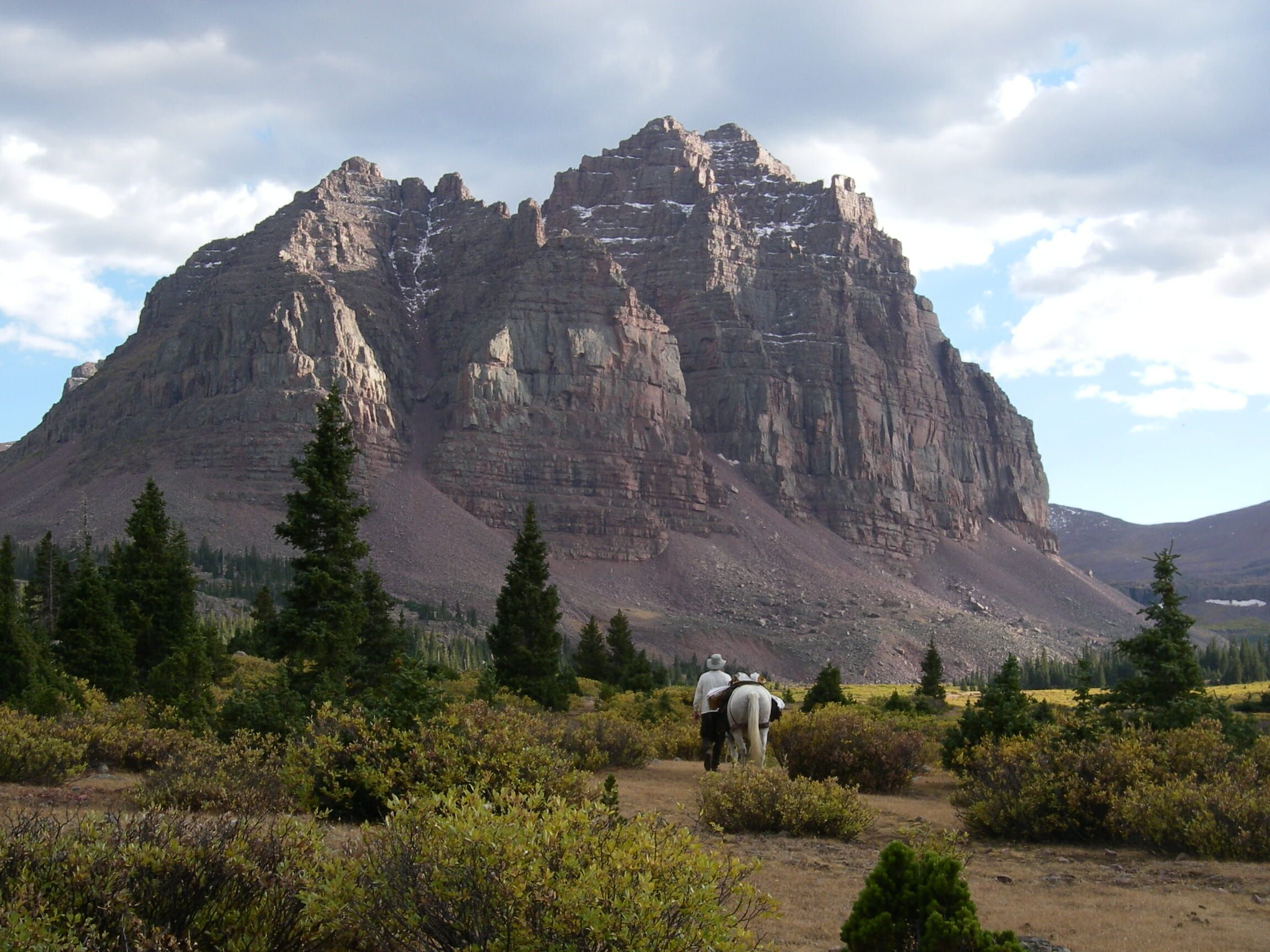
A golden trout trip is often a backcountry trip first and a fishing trip second, so preparation matters more than having the perfect fly. Weather can change quickly at high elevation, especially as summer gives way to fall. A warm morning can turn into an afternoon thunderstorm or a surprisingly cold evening, and early snow isn’t unusual later in the season. DWR generally recommends Utah’s high-elevation fishing from July through late September or early October, while also reminding anglers to check weather and wildfire conditions before heading out.
Bring layers, enough food and water, and a way to navigate without cell service. Let someone know where you’re going and when you expect to return. A little planning makes it much easier to enjoy the reason you went in the first place.
A Fish Worth the Miles
There are easier trout to catch in Utah, and that’s exactly why golden trout are interesting. They give you a reason to pull up a map, look farther into the mountains and wonder what’s swimming in a lake you’ve never visited. You may spend hours getting there and catch only a handful of small fish. You might even get skunked. But if everything comes together and a flash of gold finally appears in that clear alpine water, the size of the fish probably won’t be the first thing you remember.
You’ll remember the drive into the mountains, the trail, the lake and the moment you realized you’d finally found what you came looking for. Take a picture, handle the fish well and watch it swim away. Then enjoy the hike back.